
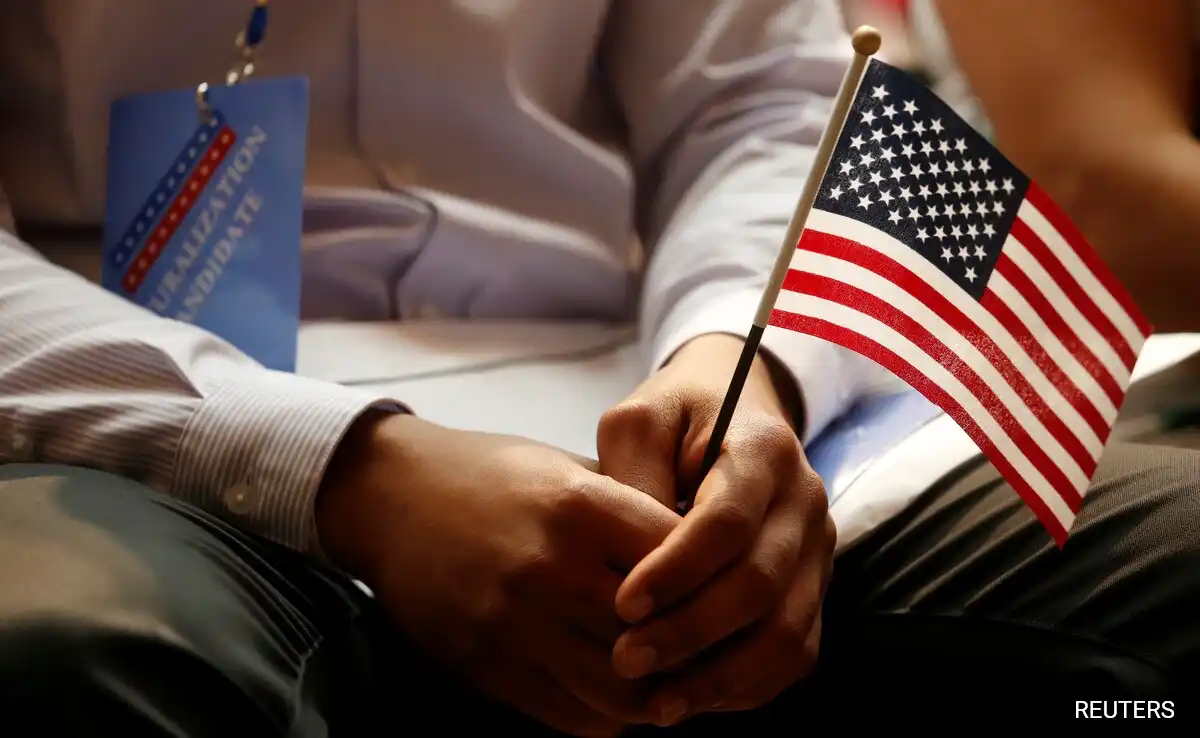
The United States immigration system is undergoing one of its most significant procedural changes in recent years, with a new rule requiring most green card applicants to complete their applications from outside the country. The policy shift, part of broader immigration enforcement efforts under the administration of Donald Trump, is designed to close what officials describe as procedural loopholes that previously allowed certain visa holders to adjust status while remaining inside the United States.
The change is already generating widespread debate among immigration attorneys, employers, international students, and visa holders who may be directly affected by the new requirements. Supporters argue that the policy strengthens immigration integrity and reduces misuse of temporary visa categories, while critics say it increases bureaucratic barriers and creates uncertainty for legal immigrants already living and working in the United States.
This article breaks down the policy shift, its implications for green card applicants, its impact on U.S. employers, and what it could mean for the future of legal immigration pathways.
Understanding the New Green Card Application Requirement
Under the updated immigration policy framework, most individuals seeking lawful permanent residency (green cards) are now required to complete consular processing outside the United States rather than adjusting status from within the country.
Previously, many visa holders—such as those on work visas or student visas—could apply for a green card through “adjustment of status” while remaining in the U.S. This pathway allowed applicants to continue working, studying, or living in the country while their applications were processed.
The revised approach significantly restricts this option and shifts the default process toward overseas application through U.S. consulates.
Key changes include:
- Increased restrictions on in-country adjustment of status
- Expanded requirements for consular processing abroad
- Tighter scrutiny of visa overstay risks
- Reduced flexibility for temporary visa holders transitioning to permanent residency
The stated goal of the policy is to reduce abuse of temporary visa categories and ensure that long-term immigration decisions are made through formal consular review processes.
The Policy Rationale: Closing a “Loophole” in the System
Officials supporting the change argue that the previous system contained structural weaknesses that allowed individuals to remain in the United States indefinitely while awaiting immigration approval.
The administration of Donald Trump has emphasized stricter enforcement of immigration laws, particularly focusing on reducing unauthorized overstays and tightening visa compliance.
According to policy defenders, the adjustment of status process was sometimes used in ways that stretched its original intent. Critics of the prior system argue that some applicants used repeated extensions or procedural delays to remain in the U.S. without completing proper consular review abroad.
Supporters of the new rule argue that requiring applicants to apply from outside the country ensures:
- Greater vetting consistency
- Reduced opportunity for procedural abuse
- Improved border and visa enforcement integrity
- Stronger alignment with original immigration intent
However, immigration advocates counter that many individuals affected by the rule are already legally residing in the United States and contributing to the economy.
Who Will Be Affected Most by the Change?
The policy is expected to have wide-ranging effects across multiple visa categories and immigrant groups.
1. Temporary Work Visa Holders
Highly skilled workers on visas such as H-1B may face additional hurdles when transitioning to permanent residency. Many of these individuals previously relied on in-country adjustment of status while continuing employment in the United States.
2. International Students
Students on F-1 visas who transition into employment-based immigration pathways may now be required to leave the country to complete green card processing.
3. Family-Based Applicants
Certain family reunification cases may also be affected, particularly where applicants are already living in the United States on temporary visas.
4. Employers Sponsoring Foreign Workers
U.S. companies that rely on global talent may face disruptions if key employees are required to leave the country during processing.
Industries such as technology, healthcare, engineering, and finance are expected to be most impacted due to their reliance on skilled immigrant labor.
Economic Impact: Labor Markets and Industry Concerns
The U.S. economy has long depended on skilled immigration to fill labor shortages in critical sectors. The new policy raises questions about how businesses will adapt to potential delays in workforce transitions.
Technology Sector Concerns
The technology industry, in particular, relies heavily on foreign-born professionals in software engineering, artificial intelligence, cybersecurity, and data science roles. Delays in green card processing could create uncertainty for employers and employees alike.
Healthcare Workforce Pressures
Hospitals and healthcare systems that depend on international medical graduates may also experience staffing challenges if visa transitions become more complex.
Startup and Innovation Ecosystem
Startups often rely on immigrant founders and engineers. Increased immigration friction could potentially slow innovation cycles or push talent to other countries with more flexible immigration systems.
Legal and Administrative Challenges
Immigration attorneys have highlighted several practical challenges that may arise from the new policy framework.
Processing Delays
Consular processing abroad can introduce significant delays due to limited embassy capacity, security screening, and administrative backlogs.
Travel Risks
Applicants may face uncertainty when leaving the United States, especially if visa approval timelines are unclear or delayed.
Family Separation Concerns
Families may be temporarily separated during the application process, particularly in cases where dependents remain in the U.S. while the primary applicant travels abroad.
Increased Legal Costs
More complex application pathways may increase the need for legal representation, raising overall costs for applicants.
Political Context: Immigration Enforcement as a Policy Priority
Immigration policy has long been a central issue in U.S. politics, and the current changes reflect a broader enforcement-focused approach under Donald Trump.
Supporters of stricter immigration controls argue that tightening green card procedures helps reinforce the rule of law and ensures that immigration pathways are used as intended.
Critics, however, argue that such policies risk discouraging legal immigration and undermining the United States’ ability to attract global talent.
The debate highlights a fundamental tension in U.S. immigration policy:
- Enforcement and system integrity vs.
- Economic competitiveness and talent attraction
Global Competitiveness and Talent Migration
One of the long-term concerns raised by immigration analysts is the potential impact on global talent competition.
Countries such as Canada, Australia, and parts of Europe have introduced more streamlined immigration pathways for skilled workers. If U.S. immigration procedures become more restrictive or time-consuming, some professionals may choose alternative destinations.
This phenomenon, often referred to as “brain circulation,” suggests that global talent flows toward countries with the most efficient immigration systems.
For the United States, maintaining competitiveness in attracting skilled workers has historically been a key driver of innovation and economic growth.
Public Reaction and Political Debate
The policy has sparked mixed reactions across political and economic groups.
Supporters argue:
- It strengthens immigration enforcement
- It reduces system abuse
- It improves vetting integrity
- It restores control over immigration pathways
Critics argue:
- It creates unnecessary bureaucratic barriers
- It harms legal immigrants already in the U.S.
- It may slow economic productivity
- It increases uncertainty for families and employers
The debate reflects broader divisions in U.S. immigration policy that have persisted for decades.
What Green Card Applicants Should Do Now
For individuals affected by the policy, immigration experts recommend several proactive steps:
- Consult with qualified immigration attorneys early
- Review visa status and eligibility carefully
- Prepare documentation well in advance
- Monitor embassy appointment availability
- Avoid international travel without legal guidance
Applicants are also encouraged to stay updated on policy changes, as immigration rules can evolve rapidly depending on administrative and legal developments.
Future Outlook: Will the Policy Stay in Place?
Immigration policies in the United States often change depending on political leadership and legislative priorities. As such, the long-term stability of the new green card application requirement remains uncertain.
If maintained, the policy could significantly reshape how legal immigration operates in the United States, particularly for employment-based and family-based pathways.
If reversed or modified in future administrations, the system may return to a more flexible adjustment-of-status model.
Either way, the current shift signals a continued emphasis on stricter immigration enforcement and procedural control.
Conclusion: A Major Shift in U.S. Immigration Processing
The requirement for most green card applicants to apply from outside the United States represents a major procedural change in U.S. immigration policy. While intended to strengthen system integrity and reduce misuse of visa pathways, the policy introduces new challenges for legal immigrants, employers, and families navigating the immigration process.
Under the leadership of Donald Trump, immigration enforcement continues to be a defining policy priority, shaping how individuals enter, remain in, and transition within the United States.
As the policy takes effect, its long-term impact will depend on how efficiently the system adapts—and how significantly it reshapes America’s role as a destination for global talent.
Citations
- U.S. Citizenship and Immigration Services (USCIS) — Official immigration policy updates, green card processing rules, and visa categories.
- U.S. Department of State – Visas — Information on consular processing and visa application procedures.
- Reuters Immigration News — Coverage of U.S. immigration policy changes and enforcement updates.
- BBC News – US Immigration — Analysis of immigration policy impacts and political context.
- Migration Policy Institute — Research and data on global migration trends and U.S. immigration systems.
- American Immigration Council — Policy analysis and immigration system research.



Leave a Reply