
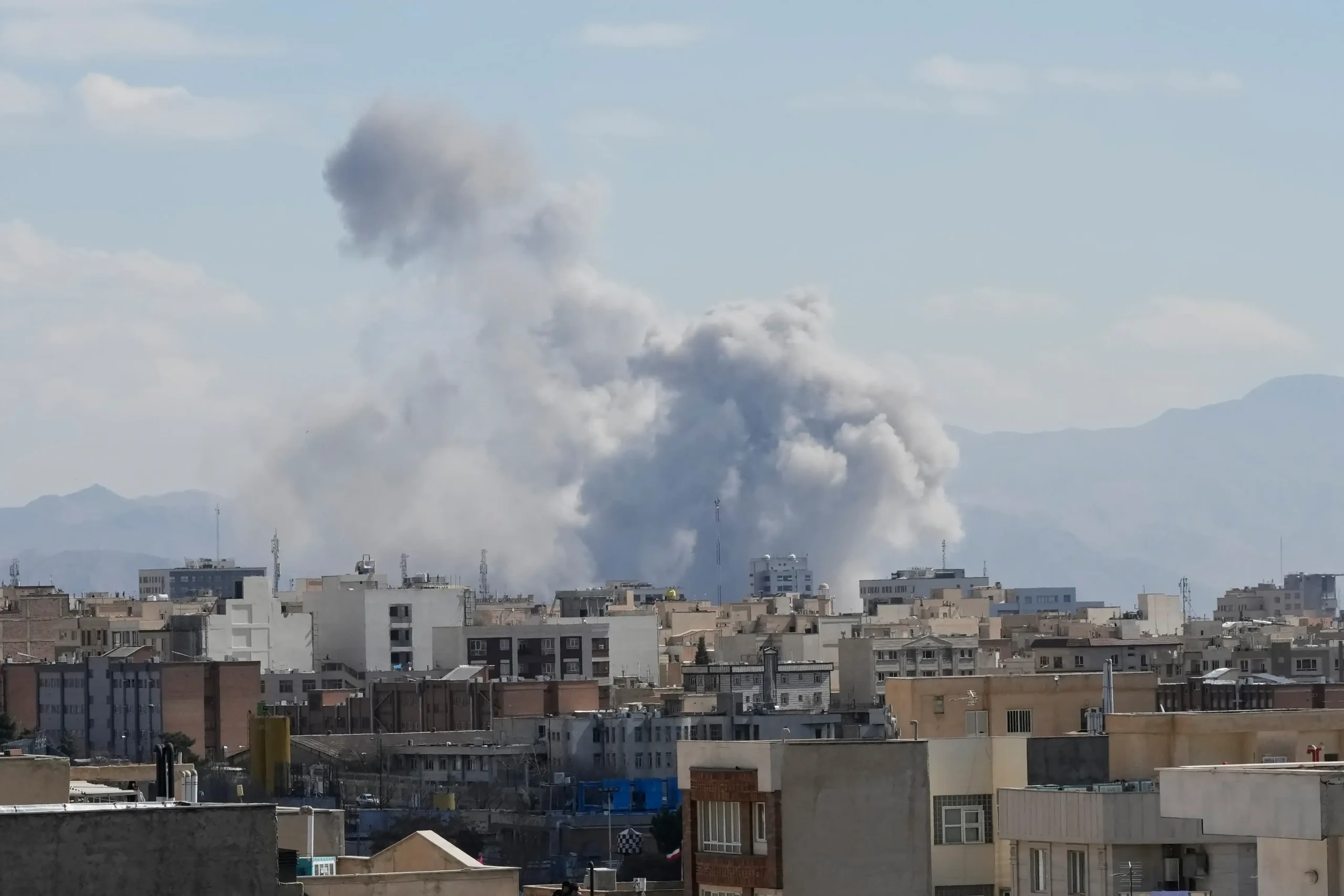
Travelers in parts of the Middle East may face legal consequences for taking and sharing videos or images of military strike footage, even if captured as a tourist or bystander. Local authorities in several countries have issued warnings that doing so can violate public safety laws, national security rules, and social media regulations—as regional tensions escalate and governments crack down on misinformation and unverified content online.
What may appear to be harmless documentation of events can, in some Middle Eastern jurisdictions, be interpreted as spreading “fake news,” compromising public order, or disclosing sensitive information. Below, we explore the legal background, examples of enforcement, practical travel tips, and what this means for visitors in the region amid ongoing regional instability.
Legal Warnings from Authorities
Recent official statements from Middle Eastern governments and security agencies highlight increasing concern over unregulated sharing of strike footage:
- In Bahrain, the Ministry of Interior said that anyone who films or reposts videos of events—like intercepted missiles—“is subject to legal accountability,” warning that such actions could be seen as harming security and public order.
- Kuwait’s security ministry similarly advised people not to film the interception of missiles or security operations, warning that “legal measures” would be taken against those who spread rumours or misleading content.
- The Dubai Media Office urged social media users to avoid circulating footage that could be inaccurate or misleading, emphasizing that it could affect community security and stability and that such behaviour may incur legal consequences under the country’s laws.
These authorities framed their admonitions in the context of public safety and national well‑being—but for visitors who aren’t familiar with local regulations, the legal consequences can come as a surprise.
A Rising Focus on Misinformation
Part of the legal pressure stems from efforts to curb the spread of misinformation or “fake news.” Across the region, governments have voiced concern that unverified content on social platforms can stir confusion and threaten social stability.
For example:
- The UAE Public Prosecution warned that posting or reposting content from unknown sources could lead to prosecution, even if the user is not the original creator of the content.
- Sharjah authorities explicitly warned that publishing or republishing misleading videos could expose individuals to legal accountability under local laws.
Though often described as measures against misinformation, these policies are being applied in contexts that go beyond fake news to include real footage captured by tourists and residents alike.
Cited Incidents and Enforcement
There are real examples showing how tough enforcement can be:
- In Bahrain, two people were reportedly arrested for live‑streaming and posting footage of intercepted missiles on social media, with officials stating that filming and posting such content violated the law.
- In the UAE, official advisories stress that both spreading rumours and sharing unverified information can result in fines or imprisonment, especially if it contradicts official sources or raises public anxiety.
These cases are noteworthy because they involve not only residents but also visitors or non‑citizens caught up in enforcement activity, making legal awareness a key aspect of travel safety.
Why the Crackdown?
Authorities typically explain such restrictions as efforts to:
Protect National Security
Publishing footage of military operations or intercepted missiles could, officials argue, compromise strategic movements or unintentionally reveal sensitive details.
Curb Misinformation
Unverified or explosive videos can spread rapidly and contribute to widespread misunderstanding or panic in times of conflict.
Maintain Public Order
Officials often say that public participation in documenting and circulating sensitive events could incite unrest or provoke security risks.
While these aims are cited in official statements, they also intersect with broader media regulations in many Middle Eastern jurisdictions that emphasize stability and control over digital content.
Legal Landscape Beyond Strike Footage
The restriction on sharing sensitive content is part of wider media and cybercrime laws across several Middle Eastern countries:
- UAE penalties for spreading rumours online can include fines and jail time of up to two years, especially if the content undermines public order or authorities.
- Some countries, like Kuwait, prohibit filming near military zones, government buildings, or sensitive sites without permission—and publishing such recordings can be illegal.
- The cybercrime laws in various Gulf states also impose strict rules on contentious online content, with broad definitions that can include political, security, and informational content.
In the context of regional conflict and national security, many governments have expanded enforcement of these regulations.
What This Means for Travelers
Visitors to the Middle East should understand that:
You Are Subject to Local Laws
Ignorance of local regulations is generally not accepted as a defense in legal proceedings. Tourists can be held legally responsible for sharing what might seem like innocent content online.
Strike Footage Is Considered Sensitive
Even if footage is authentic or newsworthy, distributing it via social media can be deemed illegal in some jurisdictions.
Penalties Can Be Severe
Both fines and criminal charges can apply in certain countries for sharing prohibited content, particularly if it is deemed misleading or connected to regional tensions.
Verification and Official Sources Matter
Authorities repeatedly urge the public to rely on official updates rather than user‑generated content, emphasizing verification to avoid misinformation.
Because regulations vary by country, visitors should consult the specific laws and travel advisories for each destination.
Travel Safety: Practical Tips
To stay on the safe side while traveling in the Middle East:
- Check official travel advisories before you go and during your stay.
- Avoid filming or sharing content related to military actions, security operations, or strike impacts.
- Do not repost unverified content even if it appears authentic.
- *Stay updated through official government sources rather than social feeds.
These precautions not only protect you legally but also help respect local sensitivities and security protocols.
Tourism and Regional Stability
While some parts of the Middle East remain popular tourist destinations, ongoing geopolitical tensions mean that safety and legal vigilance are more important than ever. Even destinations outside conflict zones are issuing safety warnings and travel updates reflecting broader regional dynamics.
Travel industry professionals and foreign ministries often recommend that visitors stay informed, follow local laws, and avoid sharing any content that could be construed as politically or security‑sensitive.
Conclusion
Legal restrictions on sharing strike footage in parts of the Middle East underscore the importance of understanding local laws, especially in times of heightened security concerns. What may seem like a harmless social media post could, in certain jurisdictions, lead to legal trouble.
Authorities across the region have clearly signaled that controlling information flow—especially as it relates to military activity, strikes, or security events—is a priority during volatile periods. For visitors, this means recognizing that digital content shared online is subject not only to global platforms’ policies but also to local legal frameworks that may hold individuals accountable for what they post.
Being informed, cautious, and respectful of local regulations can help travelers avoid legal consequences and ensure that their experiences abroad remain positive and lawful.



Leave a Reply