
The law may feel distant to many people, something reserved for courtrooms, lawyers, and political debates. Yet in reality, decisions made by the Supreme Court of the Philippines have a direct and often profound impact on daily life. From the way people work, speak, vote, and even protect their privacy, Supreme Court rulings quietly shape the structure of society in ways most citizens rarely notice until a major decision affects them personally.
Understanding how these rulings influence everyday life is important not only for law students or professionals but for ordinary citizens who are governed by these interpretations of the Constitution. Each decision becomes part of the legal framework that defines rights, responsibilities, and limitations in the country.
The Role of the Supreme Court in Society
The Supreme Court of the Philippines is the highest court in the judicial system and is responsible for interpreting the Constitution. When laws are challenged, when government actions are questioned, or when conflicts arise between institutions or individuals, the Supreme Court steps in to make the final and binding decision.
Unlike legislative bodies that create laws or executive agencies that enforce them, the Supreme Court’s power lies in interpretation. This means it decides what laws mean in real-life situations. A single ruling can clarify, strengthen, or even invalidate laws that affect millions of people.
For example, when questions arise about labor rights, freedom of expression, or election rules, it is the Supreme Court that ultimately determines how these principles are applied in practice.
How Supreme Court Decisions Affect Employment and Workers’ Rights
One of the most direct ways Supreme Court rulings affect everyday life is through labor law. Employment disputes often reach the highest court when they involve major legal principles, such as illegal dismissal, labor contractualization, wages, and workplace protections.
When the Court issues a ruling in favor of workers, it can strengthen job security, ensure fair compensation, or expand benefits. On the other hand, rulings that favor employers or government agencies can redefine what constitutes lawful termination or contractual employment.
For example, decisions regarding “regularization” policies affect millions of workers in retail, manufacturing, and service industries. A ruling that tightens or loosens the definition of regular employment can determine whether a worker has job security or remains contractual.
These legal interpretations do not remain in court records—they directly influence whether employees can demand benefits like paid leave, healthcare coverage, and retirement security.
Freedom of Speech and Expression in Daily Life
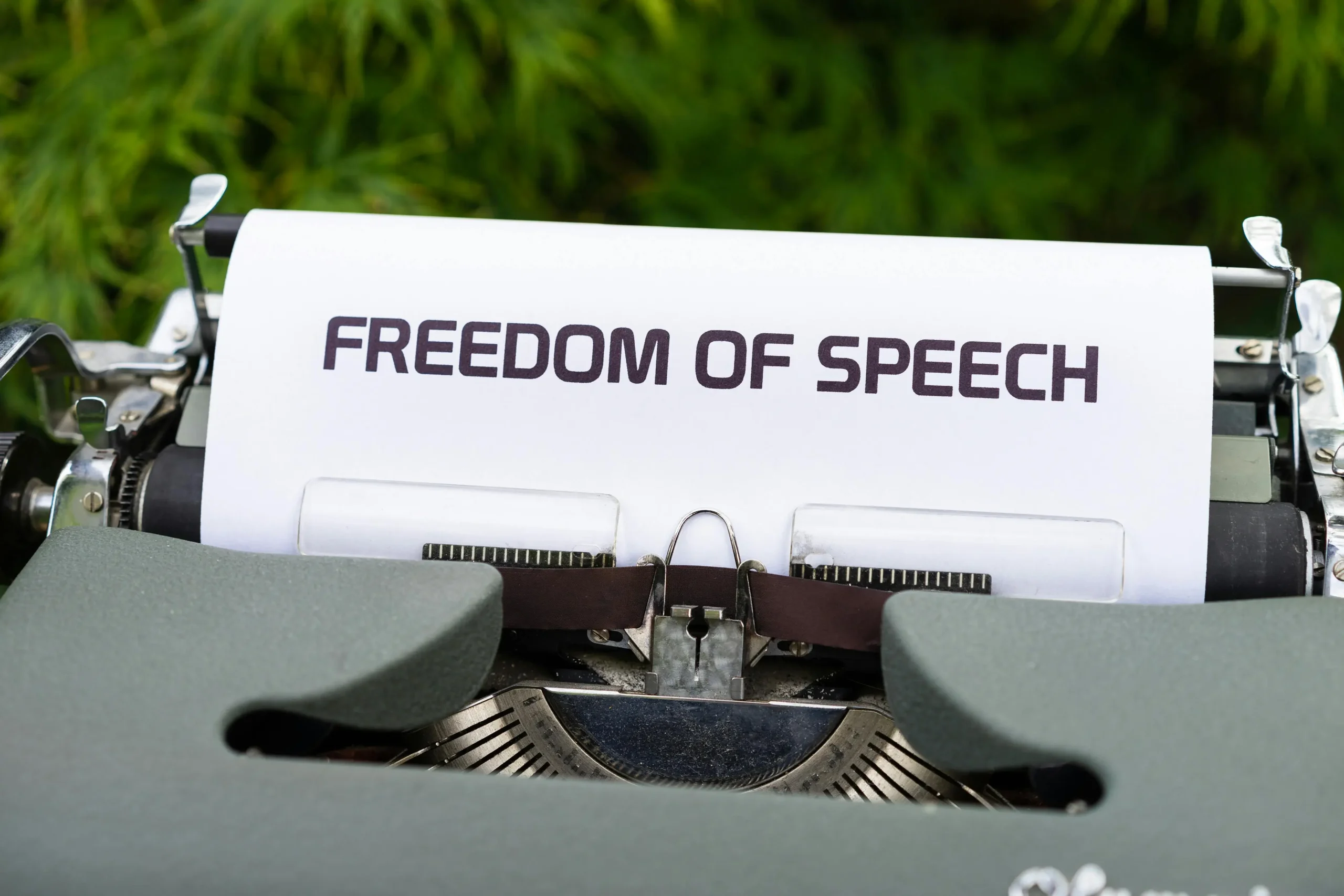
Freedom of expression is one of the most frequently debated constitutional rights, and Supreme Court rulings play a crucial role in defining its limits. While citizens are generally free to express opinions, the Court determines where the boundary lies between free speech and harmful speech such as libel, defamation, or incitement.
In the digital age, these rulings have become even more relevant. Social media posts, online commentary, and digital journalism often raise legal questions that end up being reviewed by the Court. Whether a post is considered protected speech or actionable libel can depend on how the Supreme Court interprets existing laws.
This has a direct impact on how people communicate online. Many users adjust their behavior—what they post, how they comment, and what they share—based on legal precedents that define the risks of online expression.
The Court’s decisions help maintain balance between protecting free speech and preventing abuse of that freedom.
Privacy Rights in the Digital Era
As technology evolves, so do legal concerns about privacy. Supreme Court rulings increasingly address issues such as data protection, surveillance, and unauthorized access to personal information.
In a time when mobile phones, social media platforms, and online transactions dominate everyday life, privacy has become a critical legal issue. The Court plays a key role in determining how far government agencies or private companies can go in collecting and using personal data.
For example, rulings on unlawful searches or unauthorized surveillance reinforce the constitutional right to privacy. These decisions ensure that law enforcement must follow proper legal procedures before accessing personal communications or data.
As a result, people benefit from stronger protections when using digital platforms, banking online, or engaging in electronic communication.
Education and Access to Opportunity
Supreme Court rulings also influence the education system and access to opportunities. Cases involving school admissions, academic freedom, teacher rights, and government scholarship programs often reach the Court when legal conflicts arise.
Decisions in these cases can affect whether students are allowed to enroll in certain programs, how schools implement policies, and how educational institutions balance autonomy with government regulations.
In some instances, rulings have expanded access to education for marginalized groups, while in others, they have clarified the responsibilities of educational institutions. These decisions shape not just policy but the future opportunities available to students across the country.
Election Laws and Democratic Participation
Elections are one of the most sensitive areas where Supreme Court rulings have significant influence. The Court often resolves disputes involving candidate eligibility, campaign rules, voting procedures, and election results.
These rulings help maintain the integrity of democratic processes. When questions arise about disqualification of candidates or interpretation of election laws, the Supreme Court ensures that decisions are based on constitutional principles rather than political pressure.
This means that voter rights, candidacy qualifications, and electoral fairness are all shaped by judicial interpretation. As a result, Supreme Court decisions can indirectly influence the outcome of elections and the composition of government leadership.
Business, Economy, and Consumer Protection
The economy is also heavily influenced by Supreme Court rulings. Business regulations, contract enforcement, taxation disputes, and corporate accountability cases often reach the Court.
When the Court interprets commercial laws, it affects how businesses operate, how contracts are enforced, and how consumers are protected. For instance, rulings involving unfair trade practices or consumer rights can strengthen protections for buyers against fraud or exploitation.
At the same time, decisions that clarify business regulations help create a more stable environment for investors and companies. This balance between protecting consumers and supporting economic growth is a key function of judicial interpretation.
Human Rights and Social Justice
Many landmark Supreme Court decisions revolve around human rights. These rulings define how the state must treat individuals, especially in sensitive cases involving due process, equality, and protection from abuse.
Issues such as unlawful detention, discrimination, and access to justice are often clarified through Court decisions. These rulings ensure that government power remains within constitutional limits and that citizens are protected from potential abuse.
Human rights decisions often have long-lasting effects because they set legal precedents that guide future cases. They become part of the legal foundation that protects individual dignity and equality under the law.
Why Supreme Court Rulings Matter to Ordinary Citizens
Although Supreme Court decisions may seem technical or distant, they ultimately influence everyday experiences. Whether a person is working in a company, posting on social media, voting in an election, or buying products online, legal protections and limitations are shaped by these rulings.
The importance of understanding Supreme Court decisions lies in awareness. When citizens understand how the law is interpreted, they are better equipped to exercise their rights, comply with responsibilities, and engage meaningfully in civic life.
In a democratic society, the judiciary serves as a safeguard of constitutional balance. It ensures that no branch of government exceeds its authority and that individual rights are protected.
Conclusion
The Supreme Court is not just an institution for legal professionals—it is a central pillar of everyday governance. Through its rulings, it influences labor rights, freedom of expression, privacy, education, elections, business practices, and human rights.
The Supreme Court of the Philippines plays a vital role in shaping the lived reality of citizens, even when its work happens far from public attention. Each decision contributes to a legal framework that defines how society functions and how justice is applied.
By understanding these rulings, citizens gain insight into the invisible systems that guide their daily lives. The law is not separate from everyday experience—it is deeply embedded in it, constantly evolving through the decisions of the Court.



Leave a Reply