
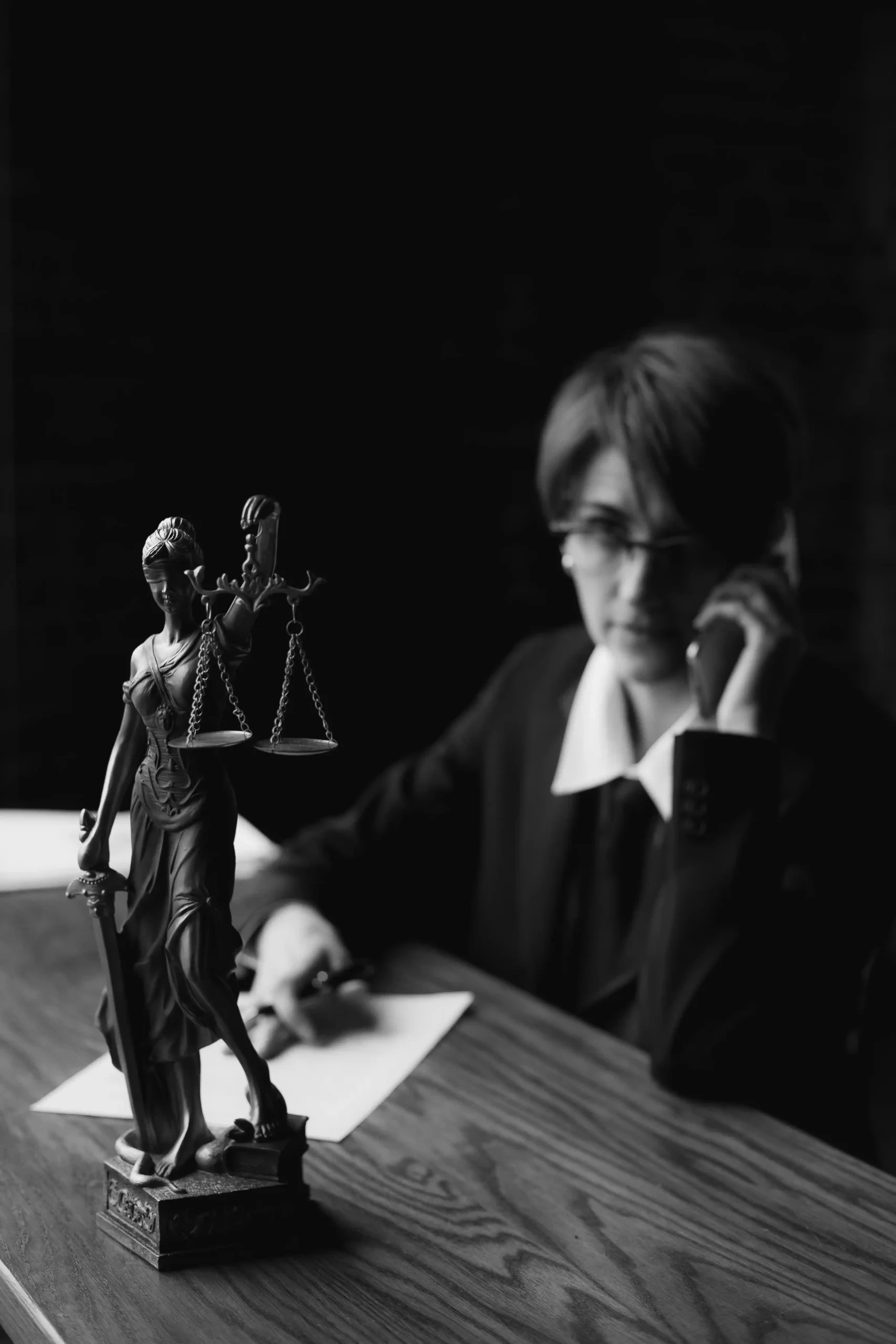
The 20th century was an era of remarkable legal transformation. Across courtrooms in the United States and around the world, exceptional trial lawyers challenged unjust laws, defended constitutional rights, prosecuted historic crimes, and influenced the development of modern legal systems. Their advocacy extended far beyond individual cases, helping define how justice is interpreted and administered today.
The greatest trial lawyers were more than skilled litigators. They were persuasive communicators, strategic thinkers, meticulous researchers, and fearless advocates who understood that every courtroom argument could have lasting consequences. Whether representing individuals, governments, or public interests, these legal professionals demonstrated how effective advocacy can shape society.
This article explores some of the greatest trial lawyers of the 20th century, examining their careers, landmark cases, courtroom strategies, and enduring influence on the legal profession.
What Makes a Great Trial Lawyer?
Before exploring the individuals who earned legendary status, it is worth understanding what separates an outstanding trial lawyer from an average one.
Exceptional trial lawyers possess several defining characteristics:
- Outstanding communication and persuasive speaking skills
- Deep knowledge of legal principles and courtroom procedure
- Careful preparation and attention to evidence
- Strong analytical and critical thinking abilities
- Emotional intelligence when addressing judges and juries
- Ethical professionalism under pressure
- The ability to adapt quickly during unpredictable trials
The lawyers featured below consistently demonstrated these qualities throughout their careers.
Clarence Darrow: The Master of the Courtroom
Few names carry as much respect in trial advocacy as Clarence Darrow. Widely regarded as one of America’s greatest defense attorneys, Darrow became famous for defending controversial clients and taking on cases that tested the limits of justice.
His career spanned more than five decades and included over one hundred murder trials, with remarkably few convictions among his clients. Darrow believed every defendant deserved a vigorous defense regardless of public opinion.
The Scopes Trial
One of Darrow’s most famous appearances came during the Scopes “Monkey Trial” in 1925. The case centered on whether a public school teacher had violated Tennessee law by teaching evolution.
Darrow’s courtroom performance transformed the trial into a national discussion about science, education, and religious freedom. Although the legal outcome was limited, the trial became one of the most influential legal proceedings in American history.
Legacy
Clarence Darrow demonstrated that courtroom advocacy could shape public debate far beyond the courtroom itself. His dedication to civil liberties continues to inspire criminal defense attorneys today.
Thurgood Marshall: Champion of Equal Justice
Before becoming the first African American Justice of the United States Supreme Court, Thurgood Marshall built an extraordinary career as a trial lawyer.
Marshall devoted much of his legal practice to fighting racial segregation and discrimination. His work transformed American constitutional law and expanded civil rights for millions.
Brown v. Board of Education
Marshall’s most significant legal achievement came when he successfully argued Brown v. Board of Education before the United States Supreme Court.
The Court ruled that racial segregation in public schools violated the Constitution, overturning decades of discriminatory legal precedent.
Although Marshall is often remembered as a Supreme Court Justice, his success was built upon years of outstanding courtroom advocacy and trial preparation.
Lasting Influence
Marshall proved that trial lawyers can become catalysts for social change. His work permanently altered American education, civil rights, and constitutional law.
Gerry Spence: The People’s Advocate
Gerry Spence became famous for representing ordinary citizens against powerful corporations and government agencies.
Unlike many prominent attorneys, Spence never lost a criminal jury trial during his career. His courtroom style emphasized storytelling rather than complicated legal language.
Unique Courtroom Style
Spence rejected expensive suits in favor of simple western attire, helping jurors relate to him as an authentic advocate.
He believed juries responded more to honesty, emotion, and compelling narratives than to technical legal arguments alone.
Professional Legacy
Many modern trial advocacy programs teach techniques inspired by Gerry Spence’s methods, particularly his emphasis on connecting with jurors through genuine communication.
F. Lee Bailey: A Master of Cross-Examination
Among America’s most recognizable criminal defense lawyers, F. Lee Bailey earned widespread attention through numerous high-profile criminal trials.
Bailey became particularly known for his cross-examination skills, often exposing weaknesses in witness testimony through careful questioning.
Notable Cases
His legal career included representation in several nationally televised cases, making courtroom proceedings accessible to millions of viewers.
Bailey’s ability to remain composed under intense public scrutiny demonstrated the importance of preparation and confidence.
Influence on Legal Practice
His courtroom performances continue to be studied in law schools for their strategic use of witness examination and evidence presentation.
Vincent Bugliosi: Prosecutor of Historic Cases
While many famous trial lawyers built reputations defending clients, Vincent Bugliosi became renowned as one of America’s most successful prosecutors.
He prosecuted more than one hundred felony jury trials with an exceptional conviction rate.
The Charles Manson Trial
Bugliosi achieved international recognition during the prosecution of Charles Manson and members of the Manson Family.
The trial presented enormous challenges due to the complexity of the evidence and the unusual behavior of the defendants.
His careful organization of evidence and logical presentation helped secure convictions that remain among the most significant criminal prosecutions in American history.
Lessons from Bugliosi
His work illustrates the importance of meticulous preparation, evidence management, and persuasive storytelling in criminal prosecution.
Edward Bennett Williams: Defender of Prominent Clients
Edward Bennett Williams established one of the most respected legal careers of the twentieth century.
Representing politicians, corporate executives, military officers, and public figures, Williams became known for handling complex and sensitive cases.
Strategic Litigation
Williams believed success often depended on understanding not only the law but also human psychology.
His ability to negotiate, investigate, and anticipate opposing strategies earned him widespread respect throughout the legal community.
Lasting Contributions
Many leading law firms continue to model aspects of client advocacy and litigation strategy after Williams’ professional approach.
Johnnie Cochran: Excellence in Courtroom Advocacy
Although much of Johnnie Cochran’s fame emerged during the 1990s, his decades-long legal career reflected the highest levels of trial advocacy.
Known for his confident courtroom presence and memorable arguments, Cochran represented clients in criminal and civil litigation while advocating for civil rights.
Communication Skills
Cochran understood that effective legal arguments must also be understandable.
He translated complex legal concepts into clear language that judges and juries could easily follow.
His famous courtroom phrases demonstrated the value of memorable communication during trial.
Professional Impact
Cochran inspired countless lawyers from diverse backgrounds to pursue excellence in litigation and public advocacy.
Sir Hartley Shawcross: Prosecuting Crimes Against Humanity
Outside the United States, one of the twentieth century’s most respected advocates was Sir Hartley Shawcross.
Serving as the lead British prosecutor during the Nuremberg Trials after World War II, Shawcross helped establish international legal principles regarding war crimes and crimes against humanity.
The Nuremberg Trials
The prosecution required extraordinary preparation because the crimes involved unprecedented legal questions.
Shawcross delivered powerful closing arguments emphasizing that international justice should apply equally to all individuals regardless of rank or political position.
Global Legacy
His work helped shape modern international criminal law and influenced later international tribunals.
Louis Nizer: Master of Civil Litigation
Louis Nizer became one of America’s foremost civil trial lawyers during the twentieth century.
Known for representing writers, entertainers, publishers, and businesses, Nizer excelled in complicated civil disputes involving contracts, defamation, and intellectual property.
Advocacy Beyond the Courtroom
Nizer also authored influential legal books that introduced courtroom advocacy to wider audiences.
His writing emphasized preparation, professionalism, and ethical advocacy.
Continuing Influence
Many litigators continue to study his work for insights into persuasive civil litigation techniques.
Common Traits Shared by Legendary Trial Lawyers
Although these lawyers practiced in different areas of law, they shared several important qualities that contributed to their success.
Extraordinary Preparation
Successful trial lawyers rarely rely on improvisation.
They thoroughly investigate facts, interview witnesses, review evidence, anticipate opposing arguments, and prepare multiple legal strategies before entering the courtroom.
Persuasive Storytelling
Jurors often remember stories better than legal citations.
The greatest advocates organized evidence into clear, compelling narratives that made complex cases understandable.
Confidence Without Arrogance
Legendary trial lawyers projected confidence while maintaining professionalism and respect toward judges, juries, witnesses, and opposing counsel.
Adaptability
Trials rarely unfold exactly as expected.
Outstanding litigators adjust quickly when witnesses change testimony, new evidence emerges, or judges issue unexpected rulings.
Commitment to Justice
Many of history’s greatest lawyers viewed their work as serving broader principles rather than simply winning cases.
Their dedication to fairness strengthened public confidence in legal institutions.
How These Trial Lawyers Changed the Legal Profession
The influence of these legal pioneers extends far beyond their individual victories.
Their contributions helped shape:
- Modern constitutional law
- Civil rights protections
- Criminal defense standards
- International criminal justice
- Jury advocacy techniques
- Cross-examination methods
- Evidence presentation strategies
- Professional ethics in litigation
Law schools frequently analyze their cases to teach future attorneys effective advocacy and legal reasoning.
Lessons Modern Lawyers Can Learn
Today’s attorneys practice in a world filled with digital evidence, advanced forensic science, electronic discovery, and rapidly evolving legal technology.
Yet the principles demonstrated by the twentieth century’s greatest trial lawyers remain timeless.
Modern litigators can learn valuable lessons by:
- Preparing every case thoroughly.
- Building credibility with judges and juries.
- Communicating clearly rather than relying on legal jargon.
- Maintaining ethical standards even in difficult cases.
- Continuing to study courtroom advocacy throughout their careers.
- Focusing on both legal accuracy and persuasive storytelling.
Technology has transformed legal practice, but human persuasion, integrity, and preparation remain the foundation of successful trial advocacy.
Why Their Legacy Still Matters Today
The legal victories achieved by these remarkable lawyers continue to affect everyday life.
Civil rights protections, constitutional freedoms, criminal justice procedures, and international legal standards all bear the influence of advocates who challenged existing norms during the twentieth century.
Their careers remind us that effective trial lawyers do more than represent clients. They defend legal principles, strengthen democratic institutions, and help ensure that justice remains accessible to everyone.
Whether arguing before local courts or the highest judicial bodies, these legal legends demonstrated that dedication, preparation, and courage can influence the course of history.
Conclusion
The greatest trial lawyers of the 20th century earned their reputations through exceptional skill, unwavering determination, and an enduring commitment to justice. Figures such as Clarence Darrow, Thurgood Marshall, Gerry Spence, F. Lee Bailey, Vincent Bugliosi, Edward Bennett Williams, Johnnie Cochran, Sir Hartley Shawcross, and Louis Nizer left lasting marks on the legal profession through landmark cases and influential courtroom advocacy.
Their accomplishments continue to inspire attorneys, law students, historians, and anyone interested in the pursuit of justice. While legal systems and courtroom technologies have evolved, the qualities that defined these legendary advocates—preparation, integrity, persuasive communication, and dedication to the rule of law—remain as important today as they were throughout the twentieth century.
As new generations of lawyers enter courtrooms around the world, the examples set by these remarkable trial advocates serve as enduring reminders that one well-prepared voice can influence not only the outcome of a single case but also the direction of history itself.



Leave a Reply