
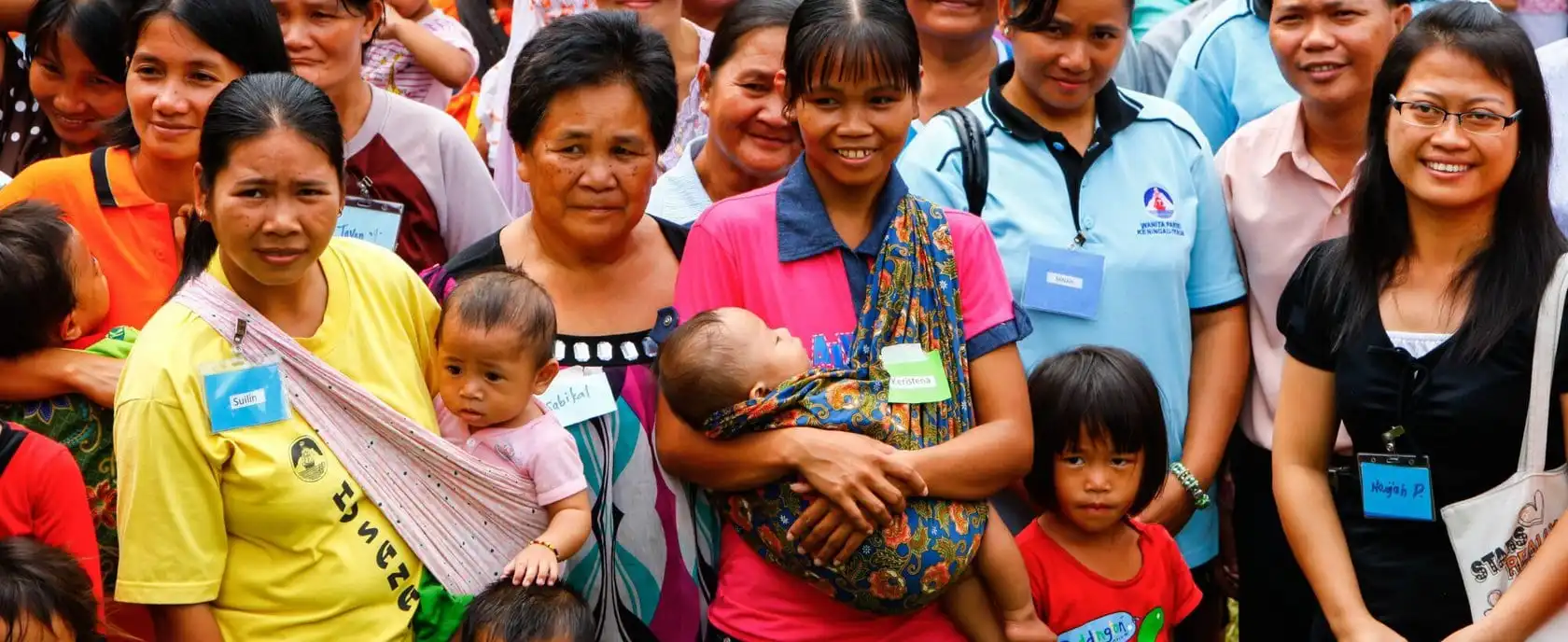
In recent years gender‑based violence in Indonesia has sparked increasing concern among women, activists, and legal experts. Despite the country’s adoption of progressive laws aimed at eliminating violence against women—most notably the 2022 Sexual Violence Crime Act (UU TPKS)—many Indonesian women continue to question whether the legal framework actually offers them real protection. The issue has drawn attention as cases of rape, femicide, and other forms of violence are widely shared on social media, highlighting both deep‑rooted societal problems and issues in the justice system’s response.
This article explores the challenges women in Indonesia face in seeking justice and protection, the limitations of existing legal protections, and how activists and civil society are pushing for meaningful change.
A Rising Tide of Reported Violence
For many Indonesian women, scrolling through social media timelines offers a grim reminder: stories of violence against women are frequent and disturbing. From cases of repeated rape in workplaces to brutal femicides, such reports have frustrated many women who feel the legal system often fails them. Cases of attacks—such as the murder of a female university student in Riau—underscore how pervasive and violent gender‑based crimes have become.
Fatma Bandar, a 23‑year‑old woman quoted in recent coverage, said she regularly sees posts about gender‑based violence and finds it enraging that law enforcement officers often do not take victims’ perspectives seriously when crimes are reported.
Women activists echo this concern, pointing out that fear of patriarchal norms within society and institutions can deter victims from seeking justice.
Legal Framework: Progress on Paper, Gaps in Practice
Indonesia’s Sexual Violence Crime Act (UU TPKS) was enacted in 2022 with the intention of strengthening legal protections for victims of sexual violence and providing more comprehensive enforcement mechanisms than the older criminal code (KUHP).
The law was seen as a breakthrough by women’s rights advocates because it criminalizes various forms of sexual violence, acknowledges victims’ rights, and creates a more victim‑centered approach.
However, despite these advances, many activists argue the law is not effectively applied in practice. According to rights observers, a major challenge is the lack of understanding among law enforcement officers about how to implement the law and fully support victims. Many officers still rely on older legal instruments instead of the more protective provisions of the UU TPKS, which can weaken effective prosecution of offenders.
Additionally, organizations monitoring femicide in Indonesia have reported hundreds of cases annually—demonstrating that violence continues even after the law’s enactment.
Barriers in Law Enforcement Response
Activists and victims alike point out systemic barriers that make it difficult for survivors to obtain justice:
1. Victim Blaming and Lack of Empathy
It’s common for victims to face insensitive treatment from officers, from being disbelieved to receiving unsupportive or dismissive responses when filing reports.
2. Limited Use of the Sexual Violence Law
Despite being written to be more comprehensive, the new law is often underutilized due to officers’ unfamiliarity or preference for older legal provisions that offer lighter penalties and fewer victim protections.
3. Patriarchal Cultural Norms
Experts note that patriarchal attitudes within society and institutions can shape how cases are handled, often to the detriment of victims seeking justice.
These hurdles contribute to a lack of trust in the justice system and discourage many women from pursuing legal action.
Government and Institutional Efforts
The Ministry of Women’s Empowerment and Child Protection (KPPPA) acknowledges the shortcomings and is taking steps to address them. Officials have developed training modules to educate law enforcement officers about the Sexual Violence Crime Act and encourage the use of the law in handling cases.
The ministry also emphasizes the importance of integrating a gender‑responsive perspective into law enforcement from prevention through to recovery, a step seen as vital in ensuring equal protection under the law.
Despite these efforts, structural barriers remain entrenched, and many activists believe deeper societal change is needed to fully realize legal protection for women.
Civil Society and Grassroots Movements
When government response is perceived as insufficient, civil society groups and grassroots organizations often step in. Groups like Jakarta Feminist and Indonesia Femicide Watch track cases of gender‑based violence, raise awareness, and advocate for more effective policies and practices.
These organizations argue that ongoing documentation and monitoring is necessary to hold institutions accountable and push for long‑term solutions that go beyond rhetoric.
Broader Context: Gender Equality in Indonesia
The struggle for justice and protection against gender‑based violence is part of a larger effort to address gender inequality in Indonesian society. For example, recent surveys have shown that a significant percentage of women have experienced physical or sexual violence at some point in their lives—a stark indication of the scale of the problem.
Furthermore, gender equality advocates argue that changes must occur not only within legal institutions but also in cultural attitudes, economic opportunities, and political representation for women.
Efforts such as training programs, awareness campaigns, and community‑based initiatives to combat violence and educate the public are seen as key to creating lasting change.
Conclusion: The Path Forward
While Indonesia has taken meaningful steps toward strengthening legal protections—most notably through the Sexual Violence Crime Act—the persistence of gender‑based violence highlights ongoing gaps in implementation and societal support. Women and activists continue to challenge authorities and advocate for a justice system that truly serves all citizens, not just on paper, but in practice.
To create meaningful and lasting change, comprehensive efforts that address legal, cultural, and institutional barriers are needed. Only then can Indonesia move toward a future where all women can live free from fear and with equal protection under the law.
Citations & References
- Women question legal protection as gender violence rages on — The Jakarta Post: Highlights women’s frustration with legal responses to gender‑based violence, despite Indonesia’s Sexual Violence Eradication Law of 2022.
https://www.thejakartapost.com/indonesia/2026/03/08/women-question-legal-protection-as-gender-violence-rages-on.html - Sexual Violence Crime Act — Wikipedia: Details Indonesia’s Law No. 12/2022 aimed at strengthening protections against sexual violence and improving victim rights.
https://en.wikipedia.org/wiki/Sexual_Violence_Crime_Act - Literate, independent and abused: Indonesian women’s hidden reality — The Jakarta Post: Provides context on the prevalence of violence against women and barriers to reporting and justice in Indonesia.
https://www.thejakartapost.com/opinion/2026/03/09/literate-independent-and-abused-indonesian-womens-hidden-reality.html - KPPPA highlights the importance of legal equality at International Women’s Day 2026 celebrations — Jawawa: Information on government efforts to improve legal equality and gender‑responsive justice.
https://jawawa.id/newsitem/kpppa-highlights-the-importance-of-legal-equality-at-international-womens-day-2026-celebrations-1772633746



Leave a Reply