

In recent months, a string of unusually well‑timed financial trades that preceded major policy announcements by U.S. President Donald Trump has ignited scrutiny from legal experts, economists and market analysts. A detailed investigation by Reuters has highlighted several instances where large bets across options markets, commodity futures and prediction platforms appeared to anticipate Trump’s major policy decisions during his second term—raising fundamental questions about market fairness, transparency, and the potential misuse of nonpublic information.
While there is no concrete evidence yet tying specific individuals to misuse of insider government information, the sheer timing and scale of these lucrative bets have prompted calls for deeper scrutiny by regulators like the U.S. Securities and Exchange Commission (SEC) and the Commodity Futures Trading Commission (CFTC).
In this article we explore the key events, expert reactions, regulatory challenges, and what these developments could mean for future market integrity and U.S. financial regulation.
The Timing and Profits Behind the Trades
The Reuters report identified several high‑profile trades that occurred just before major Trump policy announcements—far exceeding what would be expected under normal market conditions.
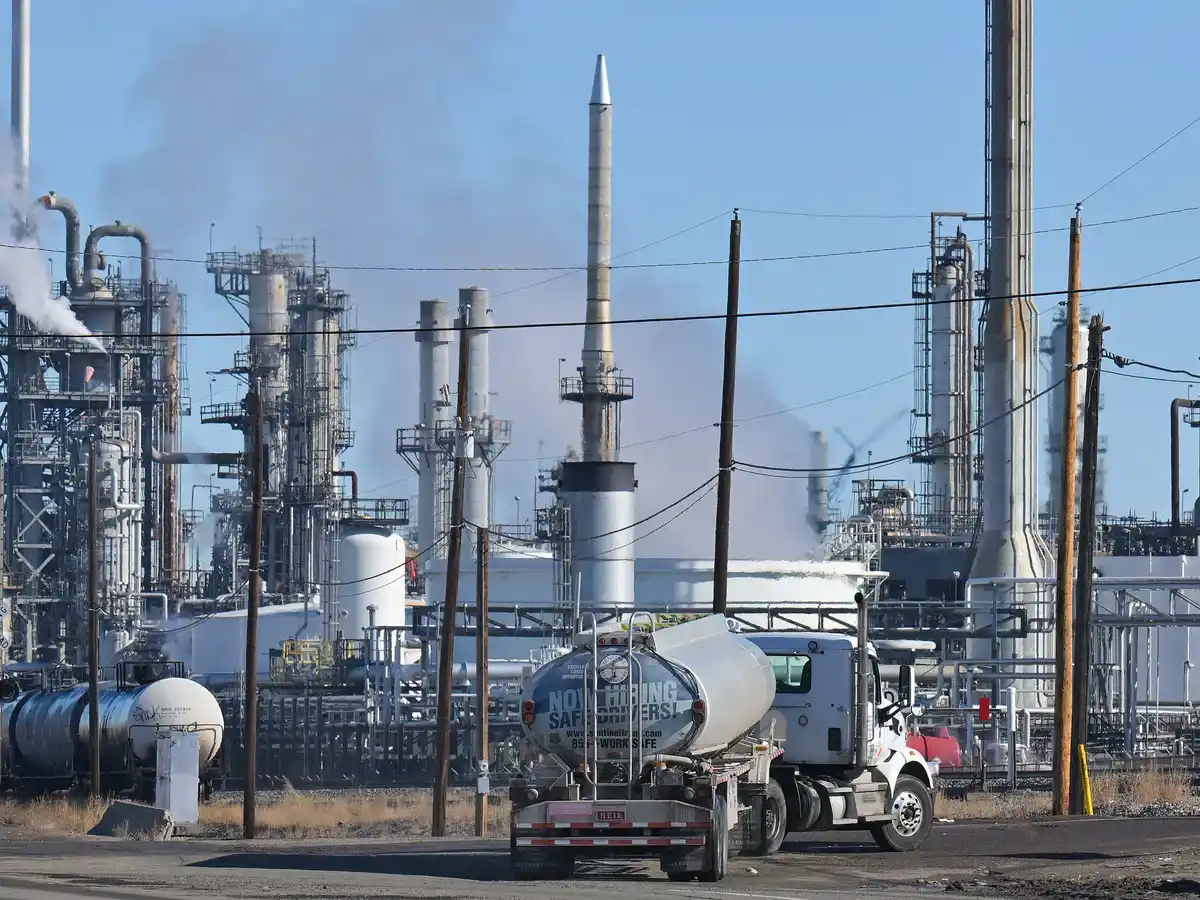
One of the most prominent examples involved a nearly $500 million trade in oil futures minutes before Mr. Trump announced a delayed strike on Iranian energy infrastructure. According to exchange data and calculations, a large block of Brent and West Texas Intermediate (WTI) crude contracts changed hands in a very narrow time window shortly before Trump’s public statement, ultimately allowing traders to profit from the sharp post‑announcement price drop.
Similarly, prediction markets saw large wagers tied to geopolitical events, including bets on U.S. actions in Venezuela and Iran. In one instance, prediction market investors made hundreds of thousands of dollars on contracts predicting significant developments—such as the capture of former Venezuelan President Nicolás Maduro—just hours before the corresponding news broke.
In the options market, large positions were taken right before Trump announced tariff pauses or other economic measures, enabling significant gains once the market moved in response to those policy declarations.
These trades—which took place across disparate financial instruments—raise immediate questions about how such precise timing could have occurred without any form of advance insight. While markets often move on expectations, experts warn that consistent patterns of “front‑running” significant announcements may point to underlying informational asymmetries that deserve regulatory attention.
Experts Raise Red Flags
Financial market experts and former regulators are among those urging increased oversight and investigation. A former enforcement director of the Commodity Futures Trading Commission (CFTC) told Reuters that even absent direct proof of wrongdoing, the clustering of large, profitable bets immediately ahead of major policy moves is troubling. They assert that regulators should at least examine whether some traders had access to material nonpublic government information.
Legal scholars, economists, and watchdog groups have also weighed in, noting that such trades—even if technically legal under existing law—may undermine confidence in the fairness and integrity of U.S. markets if wealth is being generated through privileged insight rather than genuine risk‑taking or analysis.
Several commentators have pointed to the overlapping timelines between large trades and Trump’s surprising policy announcements as evidence that markets are responding to more than just publicly available news. In other words, these bets appear to have anticipated—not merely reacted to—policy moves.
Regulatory and Enforcement Challenges
Despite the concerns, enforcement faces significant hurdles. Trading in markets such as commodity futures, options, and especially prediction markets occupies a regulatory gray area. Prediction platforms, in particular, are only lightly regulated compared with traditional securities markets, making it difficult for the SEC or CFTC to enforce insider trading rules as rigorously as they would with conventional equities.
According to legal experts, proving insider trading in these contexts requires demonstrating that the trader acted on material nonpublic information—a high bar even for clear cases of insider equity trades. In cases tied to public policy announcements, where some degree of anticipation may occur through public or semi‑public channels, discerning actual informational advantage is especially complicated.
Moreover, regulatory resources have recently been stretched. For example, some enforcement units have seen staffing reductions and shifts in priorities, making complex, cross‑market investigations more challenging. Critics argue that lax enforcement could embolden traders who seek to exploit policy volatility for profit—especially when timing coincides with powerful political actors and unpredictable decisions.
The White House—represented by spokesman Kush Desai—has dismissed suggestions of insider trading or improper leaks, calling such implications “baseless and irresponsible” in the absence of direct evidence.
How Policy Surprises Shape Markets
President Trump’s governing style—characterized by abrupt policy changes, sudden geopolitical maneuvers, and occasionally unpredictable announcements—creates an environment ripe for market volatility. While economic analysts have long known that presidential decisions can move markets, the instances highlighted by Reuters go beyond the typical lagged responses normally seen after public disclosures.
Trump’s approach has included sudden tariff announcements, shifts in foreign policy strategy, and geopolitical decisions impacting energy markets—each of which can exert large and immediate effects on global markets. Traders and institutional investors closely monitor political developments and projections, but unexpected timing and coordination between large bets and official announcements intensify concerns.
For example, traders may react to social media posts or online platforms favored by the president for disseminating policy signals—potentially closing large positions before markets fully absorb the content. While not illegal per se, this type of trading blurs the line between informed speculation and privileged insight.
Implications for Market Integrity
The integrity of financial markets hinges on transparency and the equal availability of information. When a small set of actors appears to benefit materially from the timing of policy surprises, confidence among ordinary investors may erode, reducing participation and increasing fears of unfair advantages.
Institutional investors and hedge funds have historically navigated political risk by positioning portfolios based on expected policy direction. However, when positioning consistently precedes sudden, sharp policy moves by short time windows, it calls into question whether markets are functioning on data and analysis alone—or whether some traders hold informational advantages that others do not.
For retail investors, particularly those without access to sophisticated analytical tools or political insights, this dynamic can contribute to growing skepticism about financial markets. Anecdotal reactions on social media have ranged from accusations of insider trading to broader critiques of how political power intersects with economic advantage.
What Comes Next: Calls for Reform
In response to these developments, some lawmakers and watchdog groups are calling for stronger oversight and more robust disclosure requirements across markets. Proposals include:
- Expanded regulatory authority over prediction markets to ensure transparency and prevent abuse.
- Stronger coordination between the SEC and CFTC to investigate cross‑market trades that coincide with policy announcements.
- Enhanced whistleblower protections to encourage insiders to report improper leaks or unethical conduct.
- Technological upgrades at regulatory agencies to monitor and analyze trading patterns for suspicious activity.
While no formal investigations have been publicly announced by the SEC or CFTC, the mounting scrutiny suggests that regulators may soon face increased pressure to act. The question remains: will enforcement catch up with the pace of policy shocks and the sophistication of modern markets, or will loopholes persist that allow well‑timed bets to go unchecked?
Conclusion
The recent Reuters investigation into lucrative, well‑timed bets ahead of major policy announcements by President Donald Trump highlights troubling patterns in today’s financial markets. The blending of politics with market behavior—especially when the timing of significant trades aligns closely with unexpected policy moves—underscores the challenges facing regulators and market participants alike.
Although the full picture is still unfolding, the events raise deeper questions about fairness, regulatory capacity, and the transparency necessary to maintain trust in financial systems. As scrutiny grows, market watchers and lawmakers alike are watching to see whether enforcement agencies will take decisive action to uphold market integrity and safeguard the principle that no one should profit unfairly from privileged information.
Citations
- Lucrative bets that anticipated Trump’s policy surprises warrant scrutiny, experts say. Reuters, March 29, 2026. https://www.reuters.com/legal/government/lucrative-bets-that-anticipated-trumps-policy-surprises-warrant-scrutiny-experts-2026-03-29/
- Some trades ahead of Trump policy moves raise questions. Reuters, March 29, 2026. https://www.reuters.com/sustainability/boards-policy-regulation/some-trades-ahead-trump-policy-moves-raise-questions-2026-03-29/
- Well‑timed trades have preceded some Trump policy surprises (WSJ coverage). Wall Street Journal live coverage. https://www.wsj.com/livecoverage/stock-market-today-dow-sp-500-nasdaq-03-26-2026/card/well-timed-trades-have-preceded-some-trump-policy-surprises-h1T6tZjXZvw1CKdrUJyq
- Reddit discussions on lucrative bets before Trump policy announcements. https://www.reddit.com/r/politics/comments/1s6w8vg/lucrative_bets_that_anticipated_trumps_policy/
- Context on unpredictable Trump policies and market impact. The Cost of Trump’s Foreign Policy (PDF). https://www.foreign.senate.gov/imo/media/doc/The%20Cost%20of%20Trump%27s%20Foreign%20Policy–SFRC%20Democratic%20Report%20Oct.%2020201.pdf

Leave a Reply