
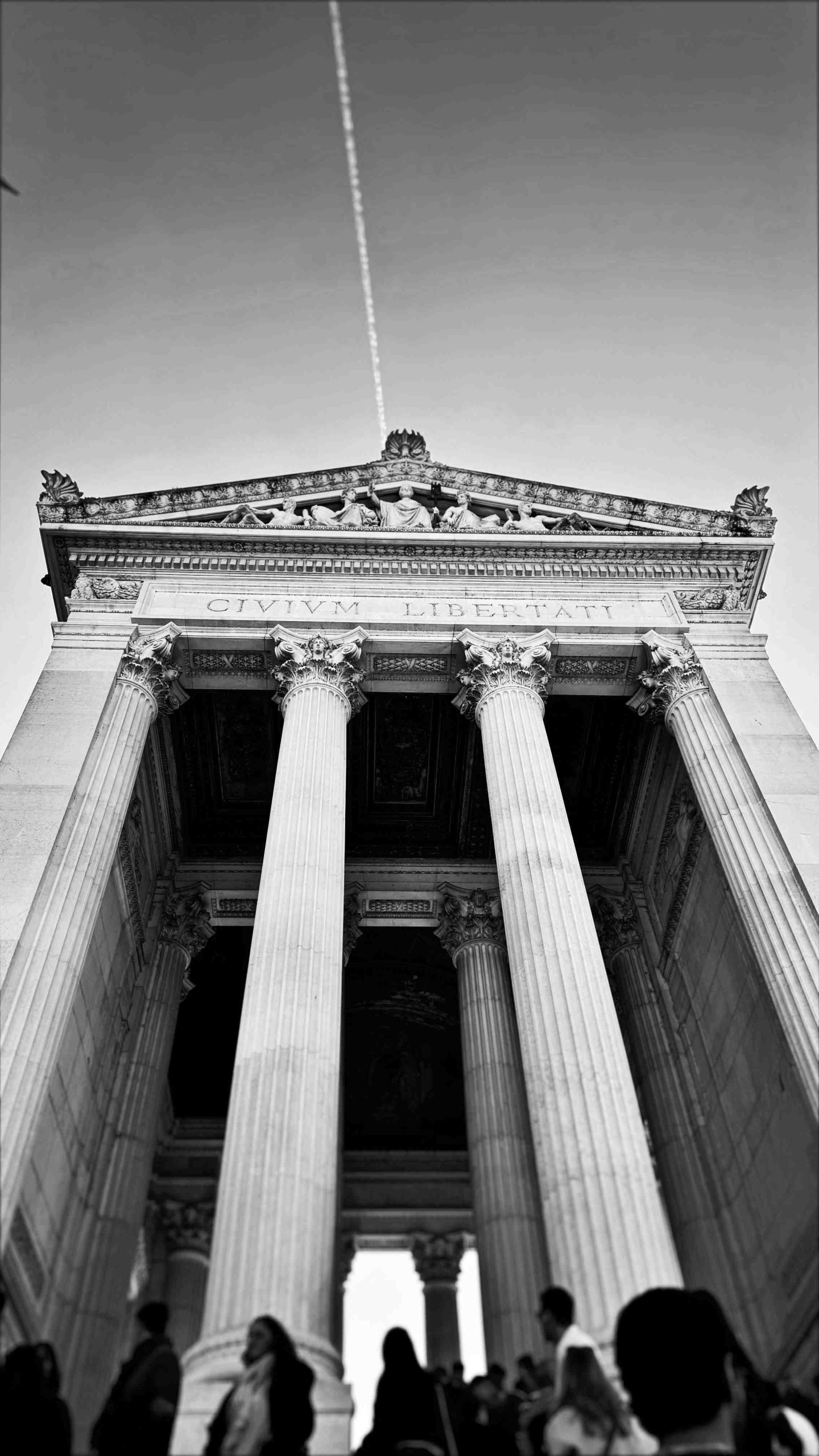
Introduction: How Supreme Court Decisions Shape the Nation
The United States Supreme Court has always played a powerful role in defining the meaning of the Constitution and shaping the direction of the country. Throughout American history, the Court has made decisions that changed the way people understand freedom, equality, privacy, government power, and individual rights.
Unlike ordinary court cases, Supreme Court rulings often influence millions of people. A single decision can change laws, impact future generations, and redefine how constitutional principles apply to modern society. These landmark rulings become part of American history because they represent moments when the highest court in the nation addressed some of the most important questions facing the country.
From civil rights and education to free speech and personal liberties, Supreme Court decisions have shaped everyday life in ways many people may not realize. Understanding these cases helps explain how America’s legal system has evolved and why the Supreme Court remains one of the most influential institutions in the world.
What Makes a Supreme Court Case “Landmark”?
Not every Supreme Court case becomes historically significant. A landmark ruling is usually a decision that creates a major legal change or establishes a principle that affects future cases.
These decisions often involve questions such as:
- What rights are protected under the Constitution?
- How much power should the government have?
- How should laws apply to changing society?
- What protections should individuals receive?
Landmark rulings can expand rights, limit government authority, or change how constitutional protections are interpreted. Even decades later, these decisions continue to influence debates, laws, and public discussions.
Marbury v. Madison (1803): Establishing the Power of Judicial Review
One of the most important Supreme Court decisions in American history was Marbury v. Madison.
This case established the principle of judicial review, which gives the Supreme Court the authority to determine whether laws or government actions violate the Constitution.
Before this decision, the role of the Supreme Court was not as clearly defined. The ruling helped establish the Court as an equal branch of government alongside the executive and legislative branches.
The impact of Marbury v. Madison continues today because judicial review allows courts to protect constitutional principles and evaluate whether government actions follow the law.
Brown v. Board of Education (1954): Ending School Segregation
The decision in Brown v. Board of Education became a turning point in the American civil rights movement.
The case challenged racial segregation in public schools and ruled that “separate but equal” educational facilities were unconstitutional.
The Supreme Court determined that segregated schools created inequality and violated the Equal Protection Clause of the Fourteenth Amendment.
This ruling became a major step toward dismantling legal segregation in the United States. It also inspired broader efforts to fight discrimination and expand civil rights protections.
Brown v. Board of Education remains one of the most recognized Supreme Court decisions because it demonstrated the Court’s ability to influence social change.
Gideon v. Wainwright (1963): The Right to Legal Representation
The Supreme Court decision in Gideon v. Wainwright transformed the criminal justice system.
The Court ruled that people accused of serious crimes have the right to a lawyer, even if they cannot afford one.
This decision strengthened the idea that justice should not depend on a person’s financial situation. It recognized that legal representation is essential for a fair trial.
Today, public defenders across the country provide legal assistance because of the principles established by this landmark ruling.
Miranda v. Arizona (1966): Protecting the Rights of the Accused
The Supreme Court case Miranda v. Arizona created one of the most familiar legal protections in America.
The ruling established that police must inform people in custody of their rights before questioning them. These protections became known as “Miranda rights.”
The decision emphasized the importance of protecting individuals from being pressured into giving statements without understanding their legal rights.
The impact of this case is seen every day in police procedures throughout the United States.
New York Times Co. v. United States (1971): Protecting Freedom of the Press
The Supreme Court decision in New York Times Co. v. United States strengthened protections for freedom of the press.
The case involved government efforts to prevent publication of classified documents related to the Vietnam War.
The Court ruled that the government generally cannot stop newspapers from publishing information unless there is a strong justification.
This decision became an important example of the balance between national security and freedom of expression.
It reinforced the role of journalism in holding government officials accountable.
Roe v. Wade (1973): A Major Constitutional Debate
The decision in Roe v. Wade became one of the most debated Supreme Court rulings in modern American history.
The Court recognized certain constitutional protections related to privacy and abortion access.
For decades, the ruling influenced laws and political discussions across the country. Supporters viewed it as an important protection of personal liberty, while opponents argued that the decision should have been handled differently.
The case became a major example of how Supreme Court decisions can influence national conversations and remain politically significant for generations.
United States v. Nixon (1974): Limiting Presidential Power
The Supreme Court ruling in United States v. Nixon demonstrated that even the president is subject to the law.
The case involved President Richard Nixon and the Watergate investigation. The Court ruled that executive privilege could not prevent the release of evidence needed in a criminal investigation.
The decision reinforced the principle that no person, including the president, is above the law.
It remains an important example of the checks and balances built into the American government system.
Tinker v. Des Moines (1969): Student Free Speech Rights
The Supreme Court decision in Tinker v. Des Moines Independent Community School District expanded protections for student expression.
The case involved students who wore black armbands to protest the Vietnam War.
The Court ruled that students do not lose their constitutional rights simply because they enter a school environment.
This decision continues to influence discussions about student speech, school policies, and individual expression.
Obergefell v. Hodges (2015): Marriage Equality
The ruling in Obergefell v. Hodges was a historic decision regarding marriage rights.
The Supreme Court held that same-sex couples have a constitutional right to marry.
The decision represented a significant moment in the legal recognition of equality and personal freedom.
It remains one of the most influential modern Supreme Court decisions and continues to shape discussions about constitutional rights.
The Supreme Court’s Role in Modern America
The Supreme Court continues to decide cases involving some of the most important issues facing the country. Modern rulings often involve technology, privacy, government authority, voting rights, healthcare, and individual freedoms.
Because Supreme Court justices serve lifetime appointments, their interpretations of the Constitution can influence American law for decades.
The Court’s decisions often create conversations about the balance between tradition and change. Some rulings expand protections, while others redefine how existing laws are understood.
Why Supreme Court Decisions Matter to Everyday Life
Many people think Supreme Court decisions only affect lawyers, judges, or politicians. However, these rulings influence everyday experiences.
They affect:
- Education systems
- Workplace rights
- Freedom of speech
- Privacy protections
- Criminal justice procedures
- Government responsibilities
The rights people experience today are often connected to previous Supreme Court decisions.
Understanding these cases helps people recognize how the legal system shapes society.
The Lasting Legacy of Landmark Supreme Court Rulings
The most important Supreme Court decisions are remembered because they answer difficult questions about the meaning of the Constitution.
These rulings reflect moments when the country faced challenges involving equality, liberty, justice, and government power.
While some decisions are celebrated and others remain controversial, all landmark cases contribute to the ongoing development of American law.
The Supreme Court’s role is not simply to decide individual disputes. Its decisions create legal principles that influence generations.
Conclusion: The Decisions That Defined America
The Supreme Court decisions that changed America represent some of the most important moments in the nation’s history. From establishing judicial review to expanding civil rights and protecting individual freedoms, these rulings have shaped the country’s legal foundation.
Landmark cases remind us that the law is constantly evolving. Each decision reflects the challenges, values, and questions of its time.
As America continues to change, the Supreme Court will remain a powerful institution responsible for interpreting the Constitution and making decisions that influence the future.
The stories behind these landmark rulings show why understanding Supreme Court history is essential. These cases are not just legal events — they are turning points that helped define what America is today.



Leave a Reply