
In the fast-twitch cultural landscape of 2026, the traditional “apology tour” has been replaced by a much more jarring maneuver: the total digital blackout. When a superstar like Bad Bunny wipes his social media after a polarizing event, it’s often framed as a “mental health break” or an “artistic reset.” However, beneath the surface of this strategic silence lies a minefield of legal and reputational risks.
In 2026, we’ve learned that while silence might starve a social media algorithm of “oxygen,” it doesn’t provide immunity from the law. In fact, for many celebrities, going quiet during a controversy is when the real legal exposure begins.
The “Spoliation” Trap: Deleting the Evidence
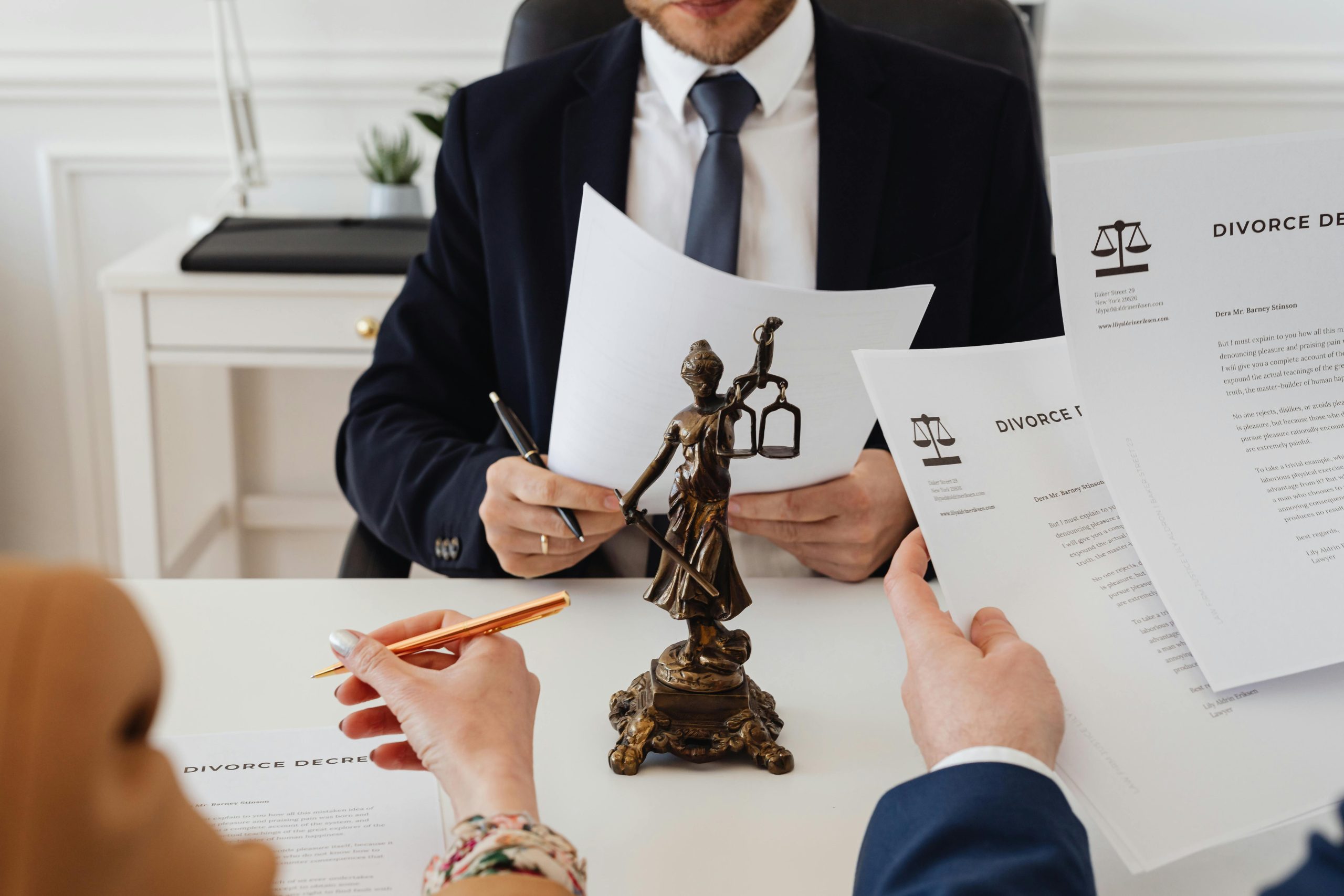
The most immediate legal risk of a “grid wipe” is the charge of Spoliation of Evidence. In 2026, social media posts are no longer just PR tools; they are Electronically Stored Information (ESI) subject to discovery in civil and criminal litigation.
- The Intentionality Test: Courts are increasingly savvy about “preemptive” deletions. If a celebrity deletes posts or an entire account while a controversy is brewing—especially if they “reasonably foresee” that litigation might follow (such as a defamation suit or a contract dispute)—they can be sanctioned.
- Adverse Inference: Judges can instruct a jury to assume that the deleted content was harmful to the celebrity’s case. In high-profile 2025 cases, celebrities were hit with six-figure sanctions simply for “cleaning up” their profiles before a trial. Deleting your Instagram isn’t just a “vibe”; in the eyes of a process server, it can look like destroying a crime scene.
Silence as “Toxic Strategy”
While PR experts often advocate for “saying less” to prevent emotional missteps, 2026 has proven that silence is a double-edged sword.
- The Information Vacuum: If a celebrity doesn’t fill the void, the public (and the plaintiff’s lawyers) will. Silence allows damaging rumors to harden into “public facts.” This “Narrative Arbitrage”—the gap between what actually happened and what the public believes—can make it impossible to seat an unbiased jury later.
- The Streisand Effect: Attempting to hide or remove information often backfires, drawing more attention to the very thing you’re trying to suppress. In the 2026 “Bad Bunny Fallout,” the act of deleting his Instagram became a larger news story than the original Super Bowl performance, keeping the controversy alive for weeks longer than a standard PR statement would have.
The “Regulatory” Clock
In 2026, celebrity behavior is increasingly governed by tightened substantiation standards.
- Endorsement Liability: If a celebrity is quiet because of a product-related controversy (like an undisclosed AI-powered health claim), silence can be interpreted as a regulatory violation. The FTC and other bodies now monitor “active silence”—where an influencer stops posting but keeps an affiliate link active—as a form of deceptive marketing.
- Contractual “Morality” Clauses: Silence doesn’t stop the clock on brand partnerships. Most 2026 contracts include “active participation” clauses. If a celebrity goes dark, they may be in breach of contract for failing to maintain the “visibility” their sponsors paid for, leading to immediate financial clawbacks.
When Silence Is a Legal Strategy
There is one scenario where the blackout remains a valid legal tool: Fifth Amendment Protection. If a controversy involves potential criminal charges, any statement—even a “heartfelt” Instagram Story—can be used against the artist. In these cases, the “Say Less” principle isn’t about PR; it’s about avoiding self-incrimination.
However, even this has a 2026 twist. “Planned silences” are now being analyzed by forensic psychologists in court to show a “consciousness of guilt” or a “calculated effort to manipulate public sentiment.”
The 2026 Verdict
The era of the “unaccountable” celebrity is over. Whether it’s the “AI Backlash” demanding human-made authenticity or the courts treating Instagram grids like official archives, the walls are closing in on the “disappearing act.”
Today’s pop culture cycle may be driven by reaction, but the legal cycle is driven by documentation. A celebrity who vanishes mid-controversy may find that while they’ve escaped the comments section, they’ve walked straight into a subpoena. In 2026, the loudest move you can make is to say nothing—just make sure your lawyers have archived the receipts first.



Leave a Reply