

Understanding how legal systems shape Big Tech, data, and the future of the internet
Introduction: When Courts Meet Code
In today’s digital age, technology is no longer just an industry—it is the infrastructure of modern life. From social media platforms to artificial intelligence systems, tech companies now influence how people communicate, shop, learn, and even think.
As these platforms grow in power, courts around the world have stepped in to define boundaries. This has given rise to what legal experts now call tech law cases—legal battles that determine how the digital world is governed.
“Tech Law Case Files: How Courts Control the Digital World” explores the landmark cases, legal principles, and ongoing battles that are shaping the internet as we know it.
The Rise of Tech Law: Why Courts Got Involved
For years, technology companies operated in a relatively unregulated environment. Rapid innovation outpaced legislation, allowing companies to grow with minimal legal interference.
However, as platforms like search engines, social media networks, and e-commerce giants expanded, several issues emerged:
- Data privacy concerns
- Monopoly and anti-competitive behavior
- Content moderation and free speech disputes
- AI and algorithmic accountability
- Digital surveillance and user tracking
These challenges forced governments and courts to intervene, leading to a growing body of tech-related legal cases that now shape global digital policy.
Landmark Case 1: Data Privacy and User Rights
One of the most important areas of tech law is data privacy.
Courts have repeatedly addressed how companies collect, store, and use personal data. These cases often revolve around whether users truly understand what they are agreeing to when they click “accept.”
Key legal questions include:
- Who owns user data?
- Can companies sell or share personal information?
- What constitutes informed consent in digital platforms?
Data privacy rulings have led to stricter regulations worldwide, including stronger consent requirements and limitations on data collection.
Landmark Case 2: Antitrust Battles Against Big Tech
Another major category of tech law cases involves antitrust regulation—laws designed to prevent monopolies.
Companies like major search engines, social media platforms, and e-commerce giants have faced lawsuits alleging that they:
- Dominate markets unfairly
- Suppress competition
- Acquire rivals to eliminate threats
- Control digital advertising ecosystems
Courts in multiple jurisdictions have examined whether these companies hold too much power over digital markets.
These cases are reshaping how competition is defined in the digital era, where traditional economic rules often struggle to apply.
Landmark Case 3: Free Speech vs Content Moderation
One of the most controversial tech law debates involves content moderation.
Social media platforms are private companies, but they function as public communication spaces. This raises difficult legal questions:
- Should platforms be allowed to remove content freely?
- Do users have a right to free speech on private platforms?
- Where is the line between moderation and censorship?
Courts have been asked to balance freedom of expression with the responsibility of platforms to prevent harmful content such as misinformation, hate speech, and illegal material.
This ongoing legal tension continues to define the rules of online communication.
Landmark Case 4: Intellectual Property in the Digital Age
The internet has transformed how content is created and shared, leading to new legal challenges in intellectual property (IP).
Tech law cases in this area often involve:
- Copyright infringement on digital platforms
- Unauthorized use of music, images, and videos
- Software piracy and code duplication
- AI-generated content ownership
Courts are now being forced to decide whether traditional copyright laws are sufficient in an era of digital reproduction and artificial intelligence.
Landmark Case 5: Artificial Intelligence and Algorithm Accountability
One of the newest and fastest-growing areas of tech law involves artificial intelligence.
As AI systems become more advanced, courts are beginning to examine:
- Who is responsible when AI causes harm
- Whether algorithms can be considered biased or discriminatory
- How AI-generated decisions should be regulated
- Whether companies must disclose how algorithms work
These cases are still developing, but they represent a major shift in how law interacts with technology.
The central issue is accountability: when machines make decisions, who is legally responsible?
The Role of Courts in Regulating Digital Power
Courts play a critical role in controlling the influence of tech companies. Unlike legislative bodies, courts respond to specific disputes, which allows them to address real-world problems as they arise.
Through tech law cases, courts help to:
- Define legal boundaries for digital platforms
- Protect consumer rights
- Enforce competition laws
- Interpret outdated laws in modern contexts
- Set precedents for future cases
Each ruling becomes part of a growing legal framework that governs the digital world.
Global Differences in Tech Law Enforcement
Tech law is not uniform across the world. Different countries approach regulation in different ways:
- The United States often emphasizes innovation and free-market competition
- The European Union focuses heavily on privacy and consumer protection
- Asian countries vary widely, with some prioritizing state control and others encouraging rapid tech expansion
These differences create a complex global legal environment where tech companies must comply with multiple, sometimes conflicting, regulations.
The Challenge of Regulating Fast-Moving Technology
One of the biggest problems in tech law is speed.
Technology evolves much faster than legal systems. By the time a case is resolved, the technology involved may already be outdated.
This creates challenges such as:
- Laws lagging behind innovation
- Difficulty predicting future tech developments
- Constant need for legal updates and reforms
- Complex jurisdictional disputes across borders
Courts must therefore interpret old laws in new contexts, often without clear legal precedent.
Why Tech Law Cases Matter to Everyday Users
Tech law is not just about corporations and courts—it affects everyday people.
These cases influence:
- How social media feeds are structured
- What personal data is collected and stored
- How online ads target users
- What content is visible or removed
- How digital services operate globally
In other words, tech law determines how people experience the internet every day.
The Future of Tech Law: What Comes Next
As technology continues to evolve, tech law cases will expand into new areas such as:
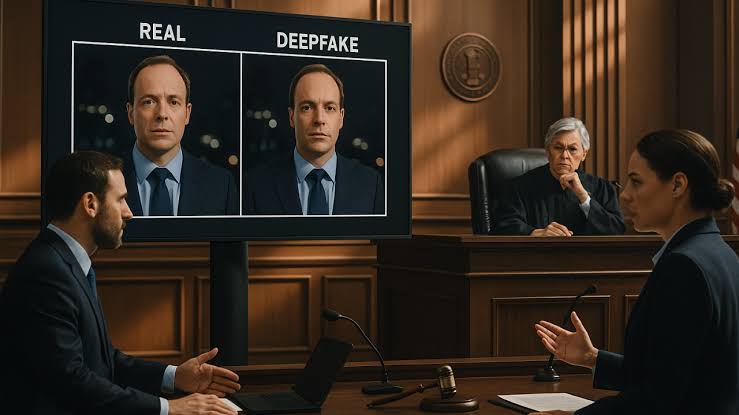
- Deepfake regulation
- Metaverse governance
- Biometric data protection
- Autonomous systems and robotics
- Cross-border digital taxation
Courts will continue to play a central role in shaping how these technologies are used and controlled.
The future of tech law will likely be defined by one key question: how do we balance innovation with responsibility?
Conclusion: Courts as Architects of the Digital World
Tech law case files reveal a hidden truth about the modern internet: it is not just built by engineers and developers, but also by judges and legal systems.
Through landmark rulings and ongoing disputes, courts are actively shaping the boundaries of digital life.
From privacy rights to AI accountability, each case adds another layer to the legal framework governing technology.
In the end, the digital world is not just coded—it is legally constructed. And courts remain one of the most powerful forces controlling its future.
References & Citations
- European Commission – Digital Services Act and Digital Markets Act regulatory framework. https://ec.europa.eu
- Federal Trade Commission – Antitrust enforcement actions against major technology companies. https://www.ftc.gov
- Supreme Court of the United States – Landmark decisions affecting digital rights and online speech. https://www.supremecourt.gov
- Stanford Law School – Research on technology regulation and digital governance. https://law.stanford.edu
- Harvard Berkman Klein Center for Internet & Society – Studies on AI governance, platform regulation, and internet law. https://cyber.harvard.edu


Leave a Reply