
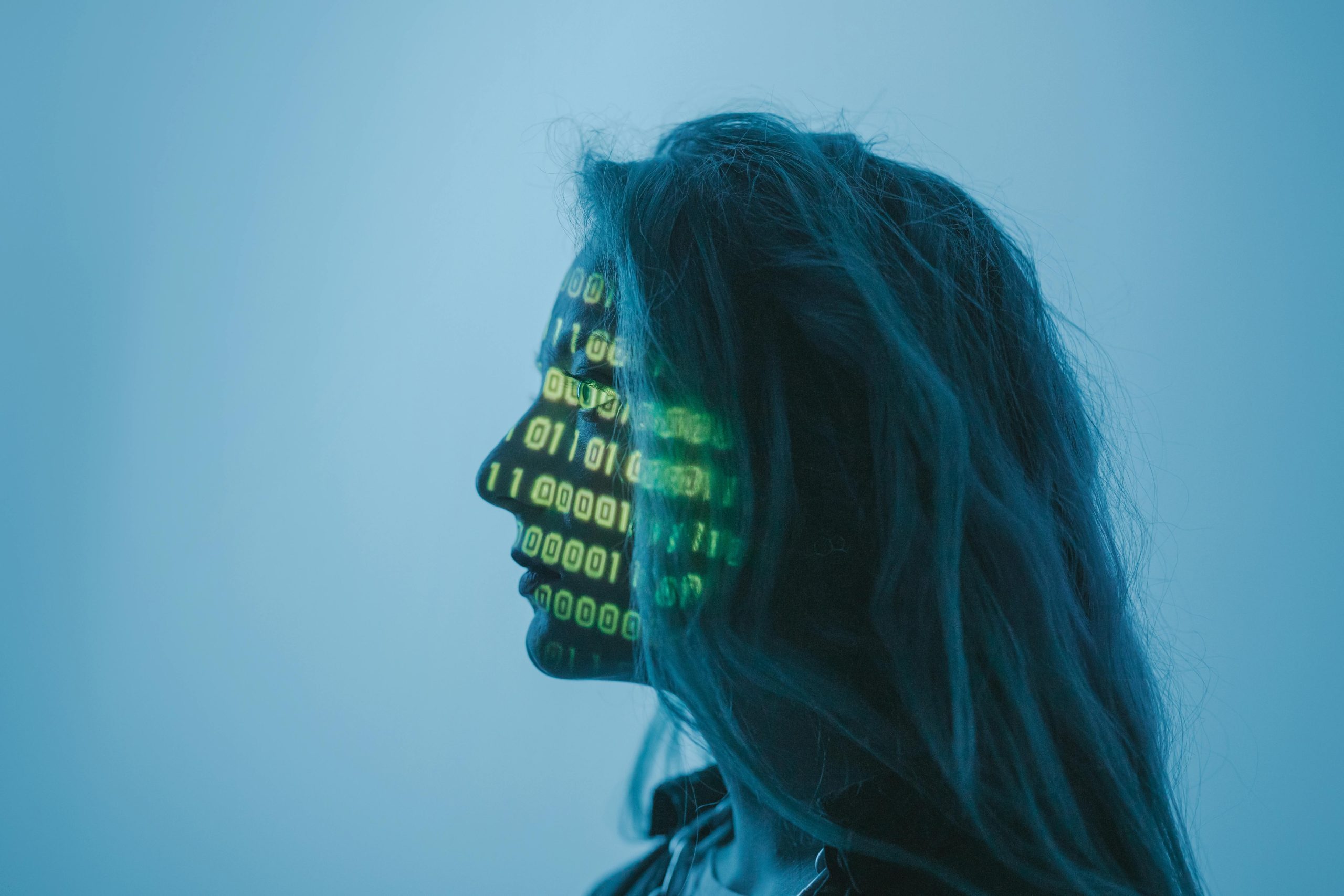
In 2026, entertainment is no longer only about performance—it is increasingly about likeness. As AI-generated actors, voice replication, and deepfake technologies become more advanced, the industry is confronting a question that didn’t exist in the same form a decade ago: what does it mean to own a face, a voice, or a digital identity?
The core issue sits at the intersection of technology and rights. A person’s likeness—once tied directly to physical presence and performance—is now something that can be modeled, stored, and recreated. With enough data, AI systems can generate versions of individuals that appear convincing enough to perform in films, advertisements, or digital content without the person being physically present.
This raises immediate legal and ethical tensions. In traditional entertainment contracts, usage rights are typically defined around specific performances or recordings. But AI systems introduce the possibility of extending those performances indefinitely, or generating entirely new ones that were never actually acted out. That shift forces a reevaluation of what consent and compensation look like in a digital environment.
Unions, studios, and creators are increasingly negotiating over “digital likeness rights”—agreements that define how a person’s image, voice, or performance can be used, replicated, or modified by AI systems. These agreements are becoming as important as traditional acting contracts, especially as synthetic media becomes more common in production pipelines.
At the same time, deepfake concerns extend beyond entertainment into public trust. As AI-generated content becomes harder to distinguish from real footage, the risk of misinformation grows. A realistic video no longer guarantees authenticity, which places more weight on verification systems, watermarking technologies, and platform responsibility.
For performers, the emotional dimension is equally significant. A likeness is not just an asset—it is identity. The idea that one’s face could appear in contexts they never participated in, or deliver performances they never gave, challenges traditional boundaries between personal and professional presence.
There is also an economic layer to the debate. AI replication can reduce production costs and extend creative possibilities, but it also raises concerns about displacement and compensation. If a digital likeness can be reused indefinitely, questions emerge about how value is distributed between original performance and synthetic reproduction.
Audiences are adapting in uneven ways. Some are becoming more skeptical of what they see online, while others are increasingly comfortable with digital realism as part of entertainment. This split creates a transitional moment where authenticity is no longer assumed—it is something that must often be verified or disclosed.
Ultimately, “Who Owns Your Face in the AI Era?” reflects a broader shift in 2026: identity itself is becoming a managed, licensed, and technologically reproducible asset. And as AI continues to evolve, the boundary between performance and personhood is becoming one of the most important legal and cultural questions in modern entertainment.



Leave a Reply