
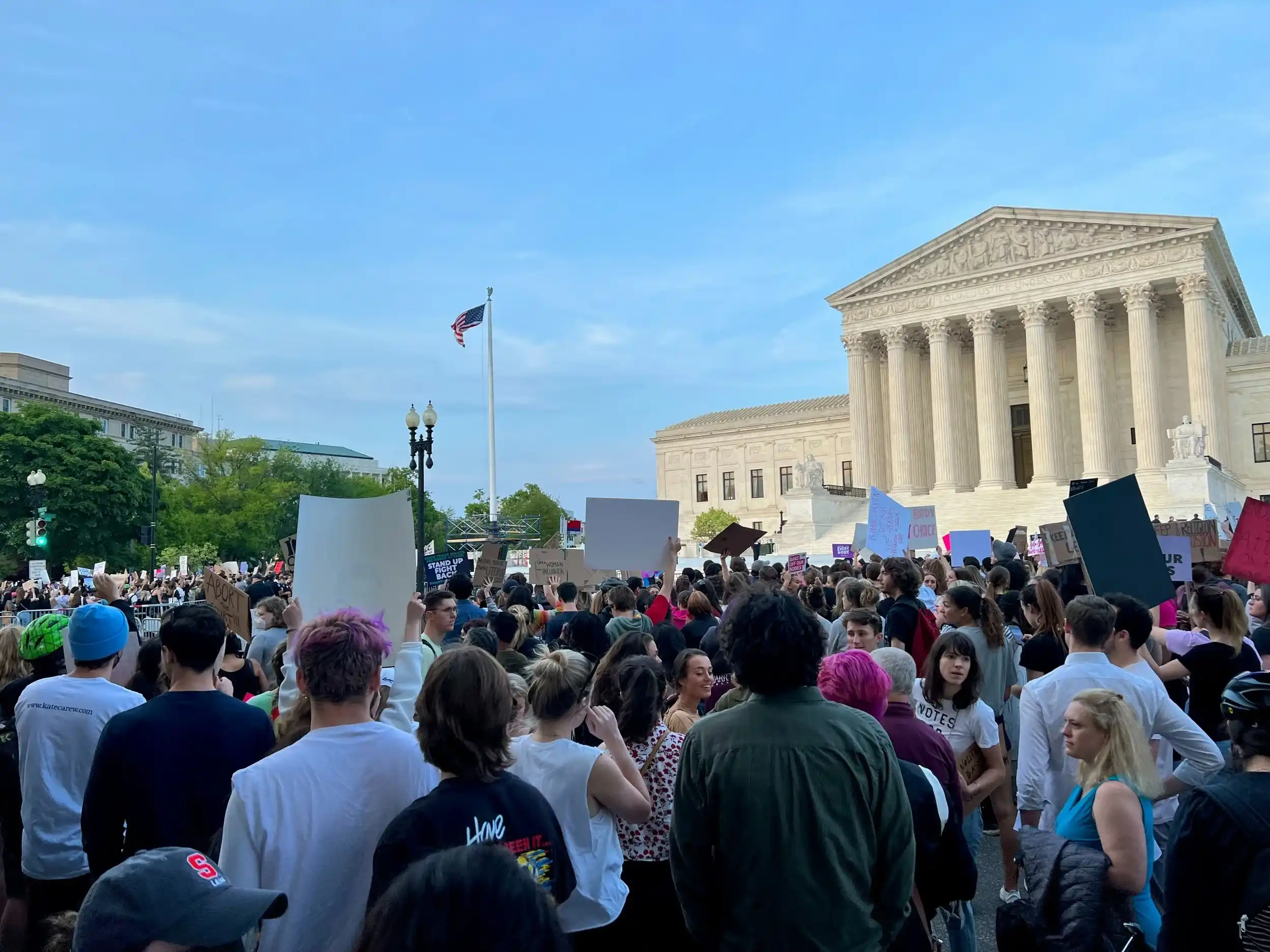
A comprehensive analysis of landmark U.S. Supreme Court rulings that reshaped civil rights, including racial equality, voting rights, criminal justice protections, and marriage equality.
Introduction
The Supreme Court of the United States has played a defining role in shaping civil rights throughout American history. Through landmark rulings, the Court has interpreted the Constitution in ways that expanded or restricted individual freedoms, often setting off major social and political change across the country.
From racial desegregation to voting rights and marriage equality, Supreme Court decisions have not only reflected the values of their time but have also actively shaped the direction of American society. Understanding these rulings is essential to understanding modern civil rights in the United States.
Brown v. Board of Education (1954): Ending School Segregation
One of the most transformative Supreme Court rulings in American history is Brown v. Board of Education. This landmark decision declared that racial segregation in public schools was unconstitutional.
Before this ruling, the doctrine of “separate but equal” established under Plessy v. Ferguson (1896) allowed racial segregation in public facilities as long as they were deemed equal. However, in reality, segregated schools for Black students were severely underfunded and unequal.
The Court ruled unanimously that “separate educational facilities are inherently unequal,” violating the Equal Protection Clause of the 14th Amendment. This decision became a cornerstone of the Civil Rights Movement and paved the way for broader desegregation across American society.
Impact:
- Ended legal school segregation
- Strengthened the Civil Rights Movement
- Set precedent for equality-based rulings
Gideon v. Wainwright (1963): Right to Legal Counsel
The case of Gideon v. Wainwright expanded the rights of criminal defendants by ruling that states are required to provide legal counsel to defendants who cannot afford an attorney.
Before this decision, legal representation was not guaranteed in state criminal cases. Clarence Earl Gideon, a poor Florida man, was denied a lawyer and forced to represent himself. After being convicted, he appealed to the Supreme Court.
The Court ruled unanimously that the Sixth Amendment’s right to counsel is fundamental and applies to state courts through the 14th Amendment.
Impact:
- Guaranteed public defenders for indigent defendants
- Strengthened due process rights
- Improved fairness in criminal justice
Miranda v. Arizona (1966): Protecting Against Self-Incrimination
Another major civil rights ruling is Miranda v. Arizona, which established the requirement for police to inform suspects of their rights before interrogation.
Ernesto Miranda was arrested and confessed to a crime without being informed of his constitutional rights. The Supreme Court ruled that the Fifth Amendment protects individuals from self-incrimination during police interrogation.
This led to the creation of the famous “Miranda Rights,” which include:
- The right to remain silent
- The right to an attorney
- Warning that anything said can be used in court
Impact:
- Changed police interrogation procedures
- Strengthened individual protections in custody
- Became a global symbol of legal rights
Loving v. Virginia (1967): Legalizing Interracial Marriage
The ruling in Loving v. Virginia struck down laws banning interracial marriage in the United States.
Richard and Mildred Loving, an interracial couple, were arrested under Virginia’s anti-miscegenation laws. The Supreme Court ruled that these laws violated both the Equal Protection Clause and Due Process Clause of the 14th Amendment.
Chief Justice Earl Warren stated that marriage is a fundamental right and cannot be restricted based on race.
Impact:
- Legalized interracial marriage nationwide
- Reinforced equality under the law
- Set precedent for future marriage rights cases
Roe v. Wade (1973): Reproductive Rights and Privacy
One of the most debated rulings in U.S. history is Roe v. Wade, which originally established a constitutional right to abortion under the right to privacy.
The Court ruled that the Constitution protects a woman’s right to choose an abortion during the first trimester of pregnancy, balancing state interests with individual privacy rights.
Although this ruling was overturned in 2022 by Dobbs v. Jackson Women’s Health Organization, its historical impact on civil rights and reproductive law remains significant.
Impact:
- Expanded privacy rights interpretation
- Sparked decades of political and legal debate
- Influenced reproductive healthcare laws
Obergefell v. Hodges (2015): Marriage Equality
The ruling in Obergefell v. Hodges legalized same-sex marriage across the United States.
James Obergefell challenged Ohio’s refusal to recognize his marriage, and the Supreme Court ruled that same-sex couples have a constitutional right to marry under the 14th Amendment.
Justice Anthony Kennedy wrote that marriage is a fundamental liberty that cannot be denied based on sexual orientation.
Impact:
- Legalized same-sex marriage nationwide
- Strengthened LGBTQ+ civil rights
- Marked a major cultural shift in the U.S.
Shelby County v. Holder (2013): Voting Rights Setback
The case Shelby County v. Holder significantly changed the enforcement of the Voting Rights Act of 1965.
The Court struck down a key provision requiring certain states with histories of discrimination to obtain federal approval before changing voting laws.
The ruling weakened federal oversight, leading to renewed debates about voter suppression and election integrity.
Impact:
- Weakened the Voting Rights Act enforcement
- Shifted power to states over election laws
- Sparked ongoing voting rights debates
Conclusion
Supreme Court rulings have played a crucial role in defining civil rights in the United States. From ending segregation in schools to expanding marriage rights and shaping criminal justice protections, these decisions reflect the evolving interpretation of the Constitution.
While some rulings expanded equality and protection, others sparked controversy and ongoing legal debates. Together, they highlight the Supreme Court’s powerful influence over American life and civil rights.
Understanding these landmark cases is essential for anyone studying law, politics, or history, as they continue to shape the rights and freedoms Americans experience today.
Citations
- Brown v. Board of Education — Landmark case ending school segregation
- Gideon v. Wainwright — Right to counsel in criminal cases
- Miranda v. Arizona — Established Miranda rights
- Loving v. Virginia — Legalized interracial marriage
- Roe v. Wade — Abortion and privacy rights precedent
- Obergefell v. Hodges — Legalized same-sex marriage
- Shelby County v. Holder — Voting Rights Act limitation


Leave a Reply