
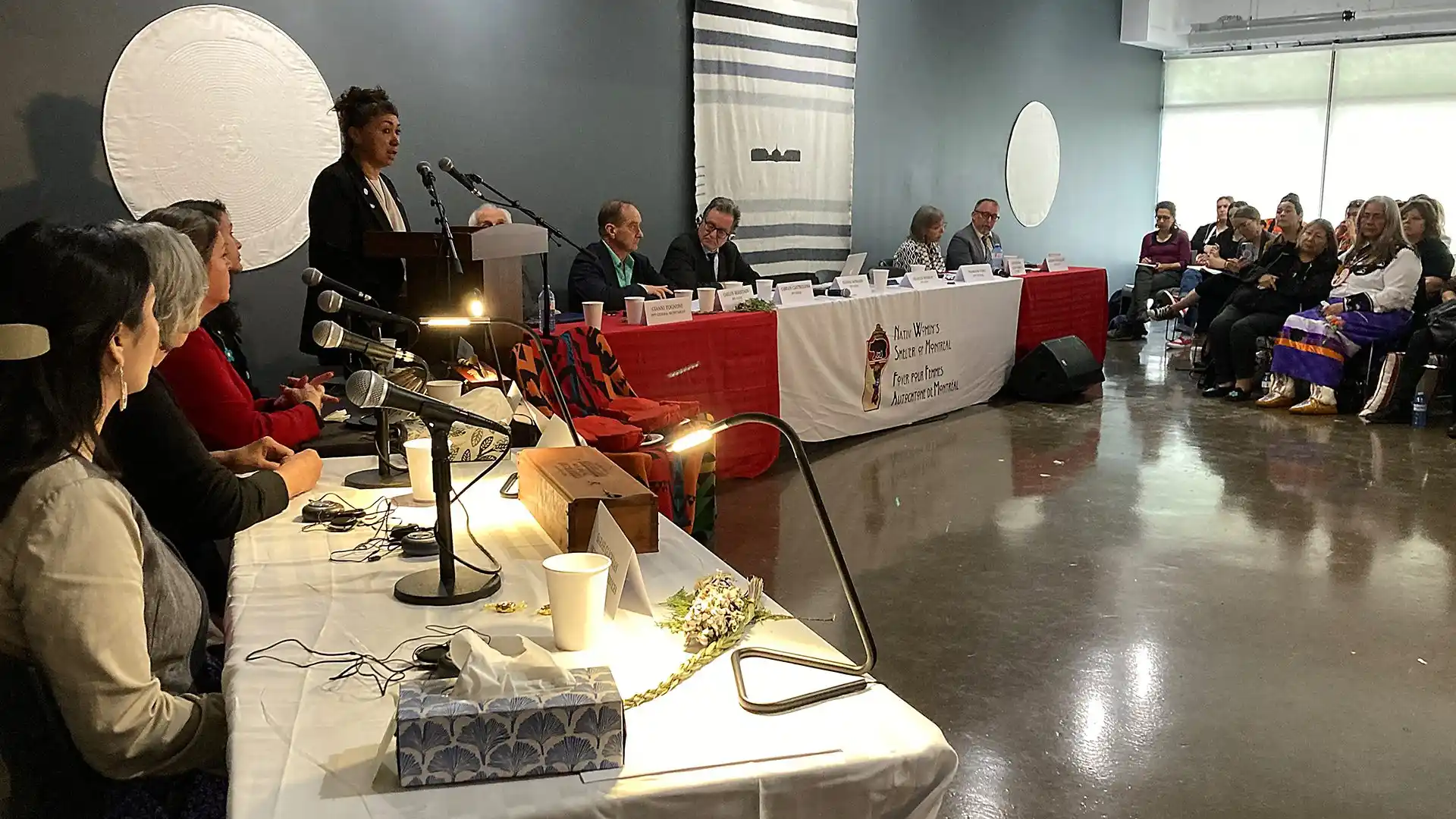
A major international development has sparked global attention after the Permanent Peoples’ Tribunal (PPT) released preliminary findings stating that Canada is continuing acts that may constitute genocide and crimes against humanity against Indigenous peoples. The tribunal examined evidence related to the residential school system, missing Indigenous children, and unmarked graves across Canada.
The findings are not legally binding, but they carry significant moral and political weight due to extensive testimony from survivors, legal experts, and Indigenous organizations.
What Is the Permanent Peoples’ Tribunal?
The Permanent Peoples’ Tribunal (PPT) is an independent international opinion tribunal founded in 1979. It does not have legal enforcement power but investigates human rights cases when formal institutions are seen as inadequate.
The 57th session in Montreal (May 25–29, 2026) focused on allegations of genocide and crimes against humanity linked to Canada’s residential school system and Indigenous child removals.
The tribunal reviewed extensive testimony from survivors, legal experts, and Indigenous advocates, examining systemic harm and long-term impacts on Indigenous communities.
Key Findings of the Tribunal
The tribunal’s preliminary declaration states that evidence presented indicates patterns of systemic violence and assimilation policies that may meet the legal definition of genocide under international law.
Key findings include:
- Forced removal of Indigenous children from families
- Cultural suppression and destruction of Indigenous identity
- Abuse, neglect, and deaths in residential schools
- Discovery of unmarked graves near former school sites
- Ongoing intergenerational trauma and systemic neglect
The tribunal emphasized that these harms are not purely historical but continue to affect Indigenous communities today.
Residential Schools and Systemic Harm
Residential schools were central to the tribunal’s analysis. Survivors described decades of abuse, forced assimilation, and cultural erasure.
According to expert testimony, genocide can include not only killings but also policies intended to destroy a group’s identity over time. One legal expert described it as a “slow-moving genocide” characterized by the systematic destruction of Indigenous identity.
These findings align with previous Canadian and international reports that have already labeled residential schools as a form of cultural genocide.
Missing Children and Unmarked Graves
One of the most critical issues examined was the discovery of potential unmarked burial sites at former residential school locations.
These findings have intensified calls for:
- Full investigation of burial sites
- Identification and repatriation of remains
- Greater transparency from institutions
- Support for affected families and communities
The tribunal stated that the lack of full investigation has contributed to ongoing trauma and uncertainty for Indigenous families.
Canada’s Response and Position
Canada has previously acknowledged the harms of residential schools and issued formal apologies, including a 2008 national apology.
However, the government has not officially recognized the term “genocide” in a legal sense for its historical or ongoing policies.
Critics argue:
- The tribunal lacks legal jurisdiction
- Its findings are advisory rather than enforceable
- The process relies heavily on testimony rather than court-tested evidence
Supporters argue that the tribunal gives a voice to communities that have historically been excluded from formal legal systems.
International Legal Context
Under international law, genocide includes not only mass killings but also acts intended to destroy a group “in whole or in part,” including cultural destruction, forced child transfer, and conditions that prevent survival as a group.
The tribunal emphasized that colonial systems often create long-term structural harm that traditional legal frameworks struggle to fully address.
This perspective is increasingly discussed in genocide studies and Indigenous rights law, where scholars examine how systemic policies can produce ongoing harm.
Indigenous Reactions
Indigenous advocates and survivors participating in the tribunal described it as an important platform for truth-telling and international recognition.
They called for:
- Implementation of UN Declaration on the Rights of Indigenous Peoples (UNDRIP)
- Independent investigations into missing children cases
- Increased funding for searches and memorialization
- Legal reforms addressing systemic inequality
- Reparations for survivors and communities
For many, the tribunal reinforces what Indigenous communities have been saying for decades: that these harms are ongoing and unresolved.
Global Debate and Reaction
The tribunal’s findings have triggered global debate among legal scholars, governments, and human rights organizations.
Supporters say the report:
- Validates survivor testimony
- Highlights continuing systemic injustice
- Pushes accountability discussions forward
Critics argue:
- The term “genocide” must be applied strictly under international law
- Non-binding tribunals risk politicizing legal definitions
- The findings may complicate reconciliation efforts
Despite differing views, the ruling has amplified global attention on Indigenous rights in Canada.
Why This Tribunal Matters
Although the Permanent Peoples’ Tribunal has no legal enforcement authority, its historical role has been to document human rights abuses and influence global discourse.
Its significance lies in:
- Centering survivor testimony
- Creating an international public record
- Pressuring institutions to respond
- Expanding legal and moral debates on colonial harm
The Montreal session adds to growing international scrutiny of Canada’s historical and ongoing treatment of Indigenous peoples.
Conclusion
The Permanent Peoples’ Tribunal’s finding that Canada may be continuing genocide against Indigenous peoples is a powerful and controversial statement that adds urgency to long-standing debates about justice, accountability, and reconciliation.
While not legally binding, the findings highlight unresolved historical harms and ongoing systemic issues affecting Indigenous communities today.
As discussions continue, the tribunal’s report reinforces a central reality: the struggle for truth and justice for Indigenous peoples in Canada remains ongoing and far from resolved.
Citation Section
- Permanent Peoples’ Tribunal official session overview and Montreal hearings (2026)
- Notification and scope of investigation into Indigenous children and residential schools
- Tribunal proceedings and preliminary declaration on genocide findings
- Expert testimony on genocide definition and systemic policies
- Preliminary statement on continuing violations and systemic colonial harm
- Background on Indigenous tribunal hearings and residential school investigations


Leave a Reply