
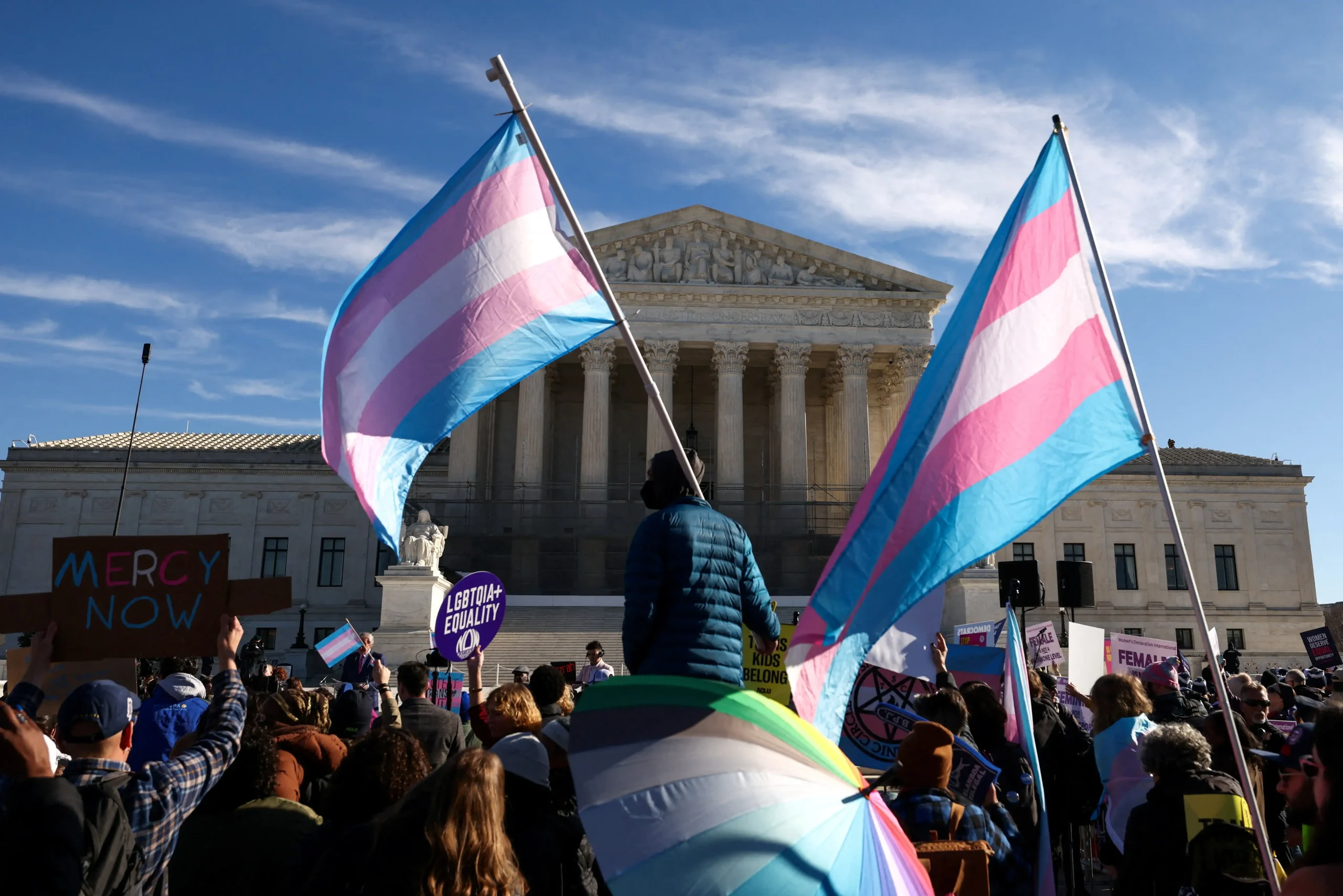
The United States Supreme Court is entering one of its most closely watched terms in recent years as it prepares to issue decisions that could reshape major areas of American constitutional law. Among the most significant cases under review are disputes involving gun regulations under the Second Amendment and the participation of transgender athletes in school sports. These rulings are expected to carry far-reaching consequences for federal authority, state policymaking, and the interpretation of civil rights protections across the country.
As the highest court in the United States, the Supreme Court plays a decisive role in resolving conflicts between federal and state law and in interpreting constitutional rights that affect millions of Americans. The current docket reflects the intensity of ongoing national debates over public safety, individual liberties, and equality under the law. While the Court is also addressing issues related to executive power, immigration policy, and federal regulatory authority, the cases involving gun laws and transgender athletes have drawn the most public attention due to their cultural and political significance.
The Growing Importance of the Current Supreme Court Term
The Supreme Court of the United States is tasked with interpreting the Constitution in cases where lower courts have issued conflicting decisions or where questions of national importance require clarification. In this term, the Court is being asked to define the boundaries of constitutional protections in areas that are deeply contested in modern American society.
Gun rights remain one of the most debated constitutional issues, particularly in relation to the Second Amendment, which protects the right to keep and bear arms. At the same time, questions surrounding gender identity and equal protection under the law have become central in cases involving transgender athletes and their participation in school sports. These issues have created legal uncertainty across different states, where policies often vary significantly depending on local interpretations of federal law.
The decisions that emerge from this term are expected to influence not only legal standards but also public policy at both state and federal levels. For this reason, legal experts, policymakers, and advocacy groups are closely monitoring the Court’s direction.
Gun Laws and the Second Amendment Debate
One of the most consequential areas under review involves challenges to gun control laws and their compatibility with the Second Amendment. The Constitution protects the right to keep and bear arms, but the extent of that right in modern society has been the subject of ongoing legal debate for decades.
The central legal question before the Court is how far governments can go in regulating firearms without violating constitutional protections. This issue has become increasingly complex as states have adopted a wide range of gun safety laws, including licensing requirements, restrictions on concealed carry, background check systems, and limits on certain types of firearms.
Lower courts have issued inconsistent rulings on these matters, leading to a patchwork of legal standards across the United States. In some jurisdictions, courts have struck down restrictive gun laws, arguing that they conflict with the historical understanding of the Second Amendment. In others, courts have upheld regulations by emphasizing the government’s responsibility to protect public safety.
Supporters of stronger gun rights argue that the Constitution clearly protects individual ownership of firearms and that modern regulations often exceed what the framers intended. They believe that expanding restrictions undermines constitutional freedoms and creates inconsistent legal burdens across different states.
On the other hand, advocates of gun control argue that reasonable regulations are necessary to reduce gun violence and protect public safety. They maintain that constitutional rights can coexist with regulatory frameworks designed to prevent harm and ensure responsible firearm use.
The Supreme Court’s ruling on these issues could significantly clarify the limits of state and federal authority over firearms and may either strengthen or narrow the scope of Second Amendment protections.
The Legal Battle Over Transgender Athlete Participation
Another major issue before the Court involves legal challenges related to transgender athletes and their participation in school sports programs. These cases center on interpretations of federal education law, particularly Title IX, as well as the Equal Protection Clause of the Fourteenth Amendment.
At the heart of the debate is whether policies that restrict transgender students from competing in sports aligned with their gender identity violate constitutional protections or federal anti-discrimination laws. Different states have adopted different approaches, with some allowing participation based on gender identity and others restricting participation based on biological sex.
This legal inconsistency has led to a series of court challenges that have now reached the Supreme Court. Lower courts have reached differing conclusions, creating uncertainty about how federal law should be applied in these situations.
Supporters of transgender inclusion argue that excluding athletes based on gender identity constitutes discrimination and undermines equal protection principles. They believe that civil rights laws should evolve to reflect modern understandings of gender and identity, and that transgender students deserve equal access to educational and athletic opportunities.
Opponents argue that sports categories are based on biological distinctions that are necessary to maintain fairness in competition. They also contend that decisions about school sports policies should be made by state governments and local education authorities rather than federal courts.
The Supreme Court’s ruling could establish a nationwide precedent that determines how schools and states regulate athletic participation for transgender students, making this one of the most closely watched civil rights cases in recent years.
Broader Issues Before the Court
While gun laws and transgender athlete cases dominate public discussion, the Supreme Court is also addressing other important legal disputes this term. These include challenges involving the scope of presidential authority over federal agencies, immigration enforcement policies, and trade-related decisions such as tariffs.
Several cases focus on whether the president has the authority to remove or control leaders of independent regulatory agencies. These disputes raise fundamental questions about the separation of powers and the independence of institutions that regulate critical areas such as finance, labor, and environmental policy.
Supporters of strong executive authority argue that the president must have control over the executive branch in order to ensure accountability and effective governance. They believe that fragmented authority weakens democratic oversight and creates inefficiencies.
Opponents argue that independent agencies are essential for preventing political interference and ensuring that regulatory decisions are based on expertise rather than political influence. They warn that excessive executive control could undermine institutional checks and balances.
The Court’s rulings in these cases may reshape administrative law and redefine the boundaries of executive power in the United States.
Why These Decisions Matter for Everyday Life
Although Supreme Court cases often appear distant from daily life, their outcomes directly affect laws and policies that impact millions of people. Decisions on gun regulations can influence firearm ownership rules, licensing requirements, and public safety measures across all fifty states.
Similarly, rulings on transgender athlete participation can shape school policies, athletic eligibility standards, and the rights of students in educational environments nationwide. These decisions will be binding on lower courts and will likely guide legislation for years to come.
Beyond specific policy outcomes, Supreme Court rulings also influence how constitutional rights are understood and applied in future cases. This means that the impact of the Court’s decisions often extends far beyond the immediate issues being decided.
Political and Social Impact of the Court’s Rulings
The Supreme Court’s decisions often carry significant political and social implications, particularly when they involve controversial issues such as gun rights and gender identity. These cases are closely followed by lawmakers, advocacy groups, and the general public because they reflect broader national debates about rights, freedoms, and government authority.
Rulings in these areas may influence state legislation, shape political campaigns, and affect public opinion on key issues. They may also contribute to ongoing cultural debates that extend beyond the legal system.
Legal analysts note that the Court’s interpretation of constitutional principles in these cases will likely have long-term consequences for how similar disputes are resolved in the future.
What to Expect Moving Forward
As the Supreme Court moves toward issuing its decisions, legal experts are closely watching how the justices interpret constitutional language and precedent. The Court may choose to issue broad rulings that establish clear national standards, or it may opt for narrower decisions that address only specific legal questions.
Either approach will have significant consequences for how lower courts interpret and apply the law. In either case, the outcomes are expected to shape legal debates in the United States for years to come.
Conclusion
The United States Supreme Court stands at the center of some of the most important legal questions facing the country today. With cases involving gun laws and transgender athlete participation, the Court is poised to issue decisions that could redefine constitutional protections and reshape public policy across the nation.
At the same time, broader disputes involving executive authority and federal regulatory power add further complexity to an already significant term. As the nation awaits these rulings, the Court’s decisions will likely influence not only legal frameworks but also the ongoing national conversation about rights, fairness, and the role of government in American life.
Citation Links Section
Supreme Court of the United States Official Website
SCOTUS Blog Analysis and Case Tracking
Reuters Legal Supreme Court Coverage
Associated Press US Supreme Court News
CNN Politics Supreme Court Section
The New York Times Supreme Court Coverage



Leave a Reply