
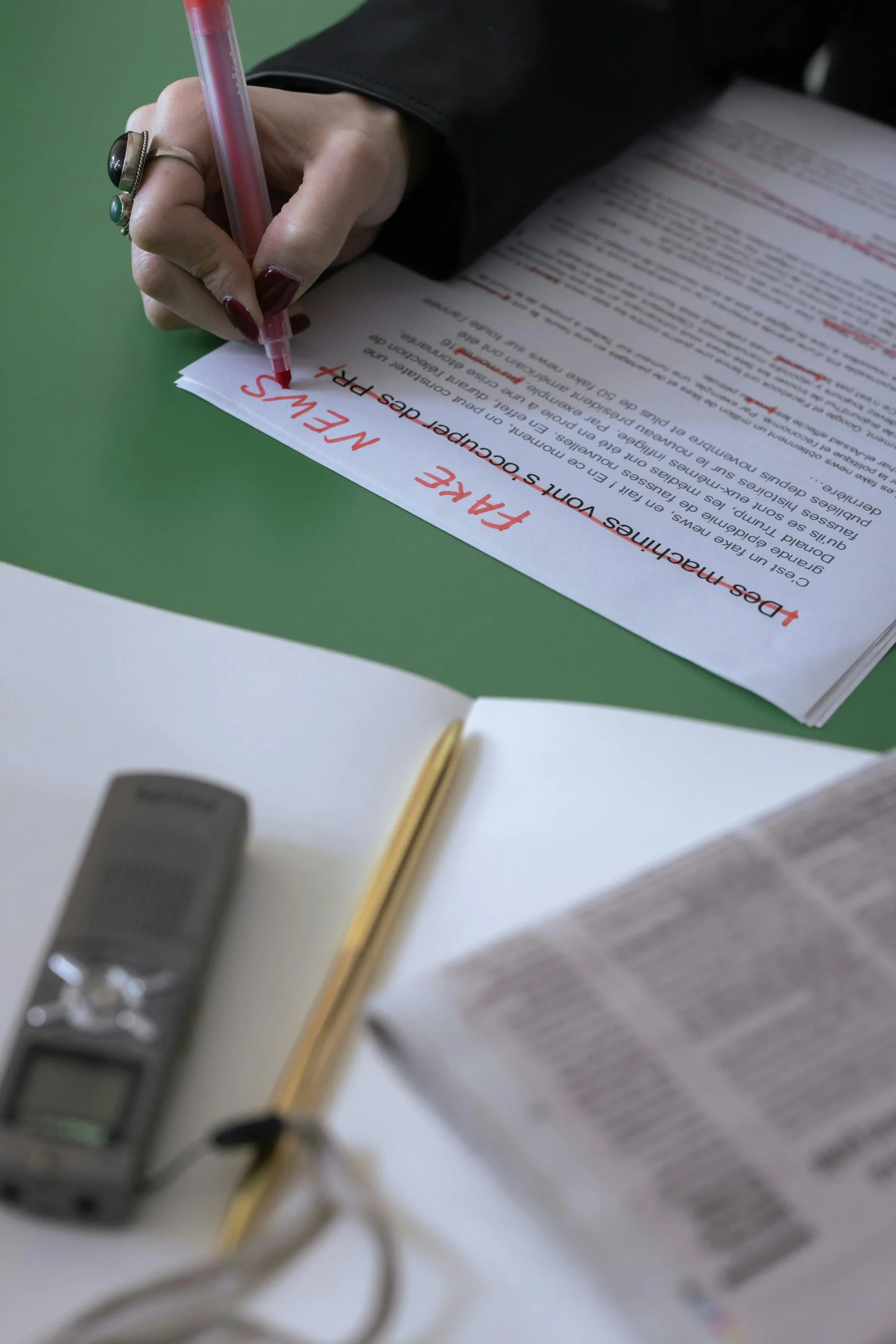
Fake news has become one of the most powerful forces shaping modern public opinion. In an age where a single post can go viral within minutes, false information spreads faster than corrections, often leaving reputations damaged long before the truth catches up. For public figures, companies, and even private individuals, the courtroom has become one of the few places where misinformation can be formally challenged and legally addressed.
“How Fake News Goes to Court: Inside the Legal Strategies Famous Lawyers Use to Fight Back” explores how high-profile attorneys handle defamation, misinformation, and reputational attacks in the digital era. From strategic lawsuits to evidence gathering and media control, the legal battle against fake news is complex, highly calculated, and increasingly relevant in today’s online environment.
The Rise of Fake News as a Legal Problem
Fake news is not just a social issue anymore; it has become a legal one. The internet has removed traditional barriers to publishing information. Anyone can create content, and platforms can amplify it instantly. While this democratization of information has benefits, it also creates space for misinformation, rumors, and deliberate defamation.
Legally, fake news often intersects with defamation law, which includes libel (written false statements) and slander (spoken false statements). To win a defamation case, lawyers must typically prove that false statements were made, that they were published to a third party, and that they caused reputational harm. In cases involving public figures, there is often an additional requirement to prove “actual malice,” meaning the false information was published knowingly or with reckless disregard for the truth.
This legal standard was significantly shaped by the landmark case New York Times Co. v. Sullivan, which established stronger protections for free speech while still allowing public figures to challenge harmful false statements in court.
Why Famous Lawyers Are Central to Fake News Cases
High-profile fake news cases often attract equally high-profile legal representation. Famous lawyers are not just courtroom advocates; they are also media strategists, crisis managers, and reputation defenders.
One reason celebrity lawyers are so important in these cases is their ability to manage both legal arguments and public perception. In the age of social media, a legal victory alone is not always enough. The narrative outside the courtroom can influence public opinion just as strongly as the verdict itself.
For example, in the widely publicized defamation trial involving Johnny Depp and Amber Heard, attorney Camille Vasquez became widely recognized for her courtroom strategy and media presence. The case demonstrated how legal arguments, digital discourse, and viral commentary intersect in modern defamation battles.
How Fake News Cases Begin: The Trigger Point
Most fake news lawsuits do not begin immediately. They usually start with a triggering event: a viral post, a misleading article, or a repeated claim that spreads across platforms. The subject of the false information may initially attempt to ignore it, hoping it will fade.
However, when misinformation begins to affect business deals, public trust, employment opportunities, or personal safety, legal action becomes more likely.
At this stage, lawyers evaluate whether the content qualifies as defamation, whether it can be traced to identifiable publishers, and whether jurisdictional issues apply. Because online content can originate from anywhere in the world, determining where to file a case becomes a strategic decision in itself.
Legal Strategy One: Building the Evidence Trail
One of the first steps famous lawyers take is building a comprehensive evidence trail. In fake news cases, evidence is often digital, fragmented, and time-sensitive. Posts can be deleted, edited, or buried under new content within hours.
Attorneys typically work with digital forensic experts to preserve evidence through screenshots, metadata analysis, web archiving tools, and platform records. The goal is to establish a clear timeline of how the false information was created, shared, and amplified.
This stage is critical because courts require proof not only that the statement exists, but also that it was widely disseminated and caused measurable harm.
Legal Strategy Two: Proving Falsity and Harm
At the core of every fake news lawsuit is the question of truth. Lawyers must demonstrate that the statements in question are objectively false. This often involves expert witnesses, documentation, and cross-referencing credible sources.
However, proving falsity alone is not enough. Lawyers must also show harm. This can include loss of income, damaged professional reputation, emotional distress, or public hostility.
In high-profile cases, reputational harm is often amplified by media coverage itself. Ironically, the lawsuit that aims to correct misinformation can also generate additional publicity, which lawyers must carefully manage.
Legal Strategy Three: Navigating Public Figure Standards
Public figures face a higher burden of proof in defamation cases due to First Amendment protections. Courts require proof of “actual malice,” meaning the defendant either knew the information was false or acted with reckless disregard for the truth.
This is where experienced lawyers become essential. They must uncover internal communications, editorial decisions, or patterns of negligence that demonstrate intent or recklessness.
Cases involving celebrities, politicians, or business leaders often hinge on this standard, making legal strategy highly complex and deeply investigative.
Legal Strategy Four: Controlling the Narrative Outside the Courtroom
Modern defamation litigation is no longer confined to legal filings and courtroom arguments. It extends into press conferences, social media statements, and controlled media leaks.
Famous lawyers often coordinate with public relations teams to manage how a case is perceived by the public. This does not mean manipulating facts, but rather ensuring that accurate information is not drowned out by speculation.
Some lawyers choose minimal media engagement, while others strategically use interviews and public statements to correct misinformation in real time. The approach depends on the client, the case, and the intensity of public scrutiny.
Legal Strategy Five: Settlement vs Trial Decisions
Not every fake news case goes to trial. In fact, many are resolved through settlement agreements, retractions, or private financial compensation.
Lawyers often advise clients based on risk assessment. Trials are expensive, time-consuming, and unpredictable. However, in some cases, going to court is necessary to establish precedent or publicly clear a client’s name.
The decision to settle or proceed to trial is often one of the most strategic choices in the entire case.
How Digital Platforms Complicate Fake News Litigation
Social media platforms have transformed how misinformation spreads, but they also complicate legal accountability. Many platforms are protected by intermediary liability laws, meaning they are not always responsible for user-generated content.
This shifts the focus of lawsuits toward individuals or anonymous accounts, which can be difficult to identify. Lawyers may need to issue subpoenas to platforms to obtain user data, IP addresses, and account information.
The speed of online communication also means that false information can reach millions before legal action even begins. This time gap is one of the biggest challenges in modern defamation law.
The Role of Reputation in Legal Outcomes
In fake news cases, reputation is both the subject of harm and a factor in legal success. Courts consider how widely the false information spread and how it impacted the individual’s standing in their profession or community.
For celebrities and public figures, reputation damage can be immediate and global. This is why legal teams often act quickly, sometimes within hours of a viral incident.
The faster the response, the more effective the legal strategy tends to be.
The Future of Fake News Litigation
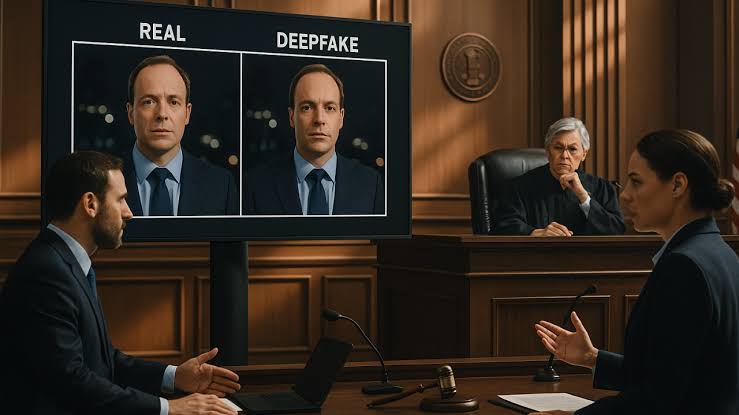
As artificial intelligence, deepfakes, and automated content generation become more advanced, fake news cases are expected to become even more complex. Lawyers will increasingly need technical expertise alongside legal knowledge.
Courts may also adapt new standards for digital evidence and online harm, particularly as misinformation becomes harder to detect and regulate.
What remains constant is the role of skilled attorneys who can navigate both legal systems and digital ecosystems to protect their clients’ reputations.
Conclusion
Fake news is no longer just a media problem; it is a legal battlefield where reputation, truth, and technology collide. Famous lawyers play a critical role in this space, combining legal expertise with strategic communication to fight misinformation in and out of court.
From landmark cases like New York Times Co. v. Sullivan to modern viral defamation trials involving attorneys like Camille Vasquez, the legal system continues to evolve in response to the digital age.
As fake news continues to spread faster and further than ever before, the courtroom remains one of the last strongholds where truth can be formally tested, defended, and restored.


Leave a Reply