
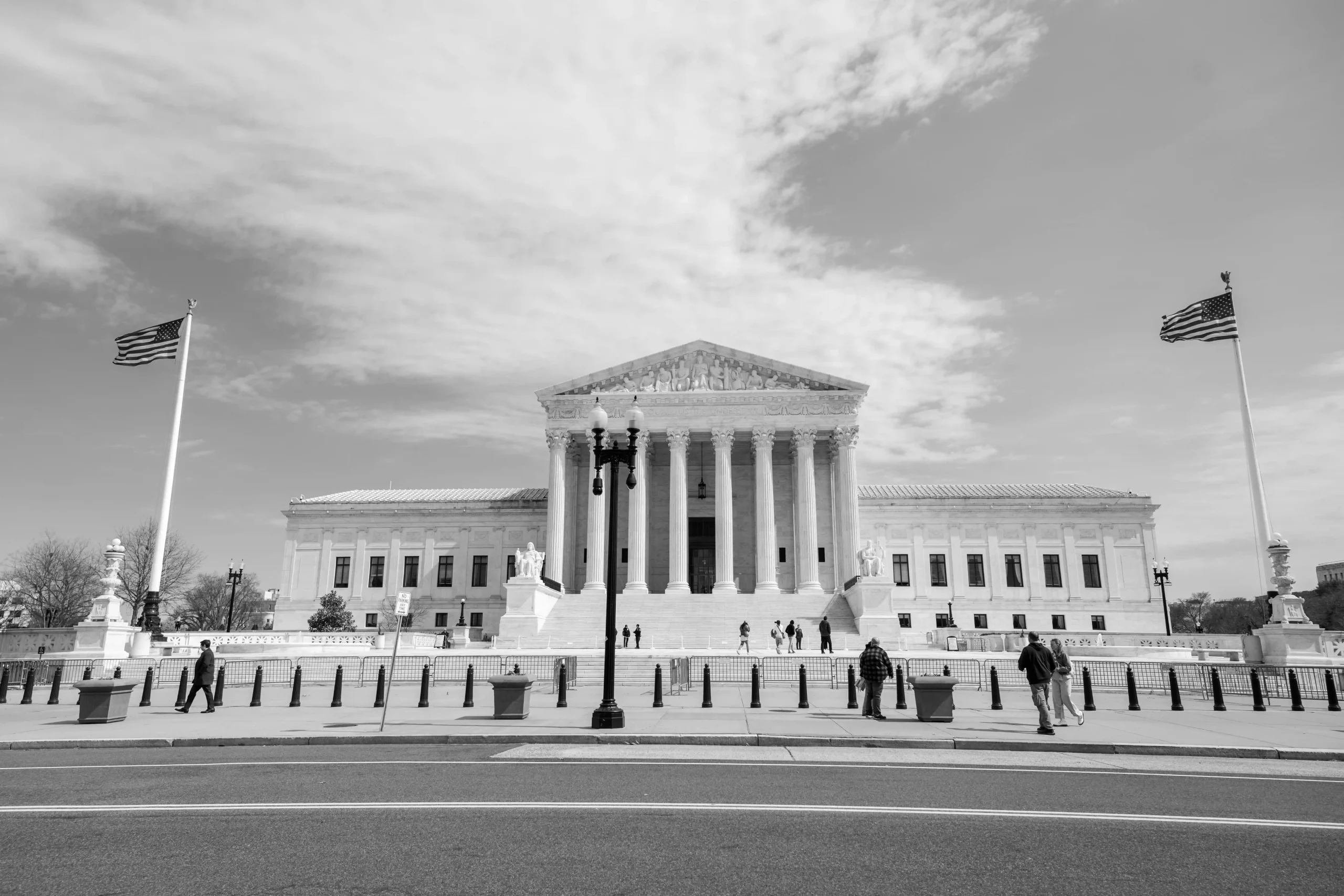
The Supreme Court of the United States has played one of the most influential roles in shaping the country’s history. While lawmakers create legislation and presidents set national policies, Supreme Court decisions have the power to redefine constitutional rights, change social structures, and influence the lives of millions of Americans for generations.
Throughout American history, landmark Supreme Court rulings have addressed some of the nation’s most difficult questions involving equality, freedom, privacy, government power, and individual rights. Some decisions expanded protections and opened opportunities for previously marginalized groups, while others remain controversial because of their lasting consequences.
These rulings demonstrate the enormous power of the judicial branch and reveal how interpretations of the Constitution can transform American society. From ending legalized segregation to reshaping personal freedoms, these ten Supreme Court decisions changed the course of history and continue to influence debates today.
1. Marbury v. Madison (1803): Establishing the Power of Judicial Review
One of the most important Supreme Court decisions in American history came early in the nation’s existence with Marbury v. Madison in 1803. Although the case did not focus on social issues like many later landmark rulings, it established a principle that fundamentally changed the balance of power in the United States government.
The decision created the concept of judicial review, which allows the Supreme Court to determine whether laws and government actions violate the Constitution. Before this ruling, the role of the Supreme Court in checking the power of Congress and the executive branch was less clearly defined.
Chief Justice John Marshall’s opinion established that the Constitution was the highest law of the nation and that courts had the responsibility to interpret it. This decision transformed the Supreme Court into a powerful institution capable of limiting government authority.
The impact of Marbury v. Madison continues today. Every major constitutional dispute, from civil rights cases to debates over government regulations, relies on the principle that courts can review and challenge actions by elected officials.
2. Brown v. Board of Education (1954): Ending School Segregation
Few Supreme Court decisions have had as significant an impact on American society as Brown v. Board of Education. The 1954 ruling challenged the idea of “separate but equal” education and declared that racial segregation in public schools was unconstitutional.
For decades, racial segregation had been legally enforced in many parts of the United States through laws that separated Black and white students in schools and other public facilities. Although the Supreme Court had previously accepted segregation under the Plessy v. Ferguson decision of 1896, Brown reversed that precedent.
The Court unanimously ruled that segregated schools were inherently unequal and violated the Equal Protection Clause of the Fourteenth Amendment. The decision became a major turning point in the civil rights movement and inspired further challenges against racial discrimination.
While the ruling did not immediately eliminate segregation nationwide, it created a legal foundation for change. It helped accelerate efforts to desegregate schools and strengthened the broader fight for racial equality.
Brown v. Board of Education remains a symbol of how the Supreme Court can influence social progress and challenge long-standing systems of inequality.
3. Gideon v. Wainwright (1963): Protecting the Right to Legal Representation
The American justice system is built on the idea that every person deserves a fair trial. However, before Gideon v. Wainwright, many poor defendants faced criminal charges without having access to legal representation.
In 1963, the Supreme Court ruled that states must provide attorneys for defendants who cannot afford one in serious criminal cases. The decision expanded the meaning of the Sixth Amendment’s guarantee of the right to counsel.
The case began when Clarence Gideon, a Florida man accused of breaking into a pool hall, was forced to represent himself because he could not afford a lawyer. After being convicted, he challenged the fairness of his trial, eventually bringing his case to the Supreme Court.
The Court’s ruling changed the criminal justice system by ensuring that financial status would not determine whether someone received legal assistance. Public defender systems across the country expanded as a result.
Gideon v. Wainwright remains a major example of how Supreme Court decisions can protect individual rights and strengthen principles of fairness within government institutions.
4. Miranda v. Arizona (1966): Expanding Rights During Police Interrogations
The phrase “You have the right to remain silent” has become one of the most recognizable statements in American law, largely because of the Supreme Court’s decision in Miranda v. Arizona.
In 1966, the Court ruled that police must inform suspects of their constitutional rights before conducting custodial interrogations. These protections became known as Miranda rights.
The case involved Ernesto Miranda, who confessed to a crime after being questioned by police without being informed of his rights. The Supreme Court determined that suspects must understand their protections under the Fifth and Sixth Amendments.
The decision aimed to prevent coerced confessions and ensure that individuals understood their legal rights when facing government authority.
Although Miranda rights have been debated by critics who argue they create challenges for law enforcement, supporters view the ruling as a crucial protection against abuse of power.
The decision fundamentally changed police procedures and became one of the most recognized examples of constitutional rights in everyday life.
5. Roe v. Wade (1973): A Landmark Decision on Privacy and Reproductive Rights
Few Supreme Court rulings have generated as much political debate as Roe v. Wade. The 1973 decision addressed whether the Constitution protected a woman’s right to choose an abortion.
The Court ruled that the right to privacy under the Fourteenth Amendment included protections related to personal medical decisions, including abortion access during certain stages of pregnancy.
For nearly five decades, Roe v. Wade influenced reproductive rights policy across the United States. Supporters argued the decision protected personal freedom and bodily autonomy, while opponents argued that the ruling exceeded the Court’s constitutional authority.
In 2022, the Supreme Court overturned Roe v. Wade through the Dobbs v. Jackson Women’s Health Organization decision, returning abortion regulation largely to individual states.
Regardless of political views, Roe remains one of the most influential Supreme Court decisions in modern American history because it shaped elections, legal debates, and social movements for generations.
6. United States v. Nixon (1974): Limiting Presidential Power
The Supreme Court has also played a major role in defining the limits of presidential authority. United States v. Nixon became a historic example of the judiciary holding the executive branch accountable.
The case emerged during the Watergate scandal, when President Richard Nixon refused to release secret White House recordings connected to the investigation into political misconduct.
Nixon argued that executive privilege allowed him to withhold the tapes. However, the Supreme Court unanimously ruled that the president was not above the law and that executive privilege had limits.
The decision reinforced the principle that even the highest government officials must follow constitutional rules and legal processes.
United States v. Nixon strengthened public confidence in checks and balances and remains an important example of judicial oversight over presidential power.
7. Obergefell v. Hodges (2015): Expanding Marriage Equality
In Obergefell v. Hodges, the Supreme Court made a historic decision regarding marriage rights for same-sex couples.
The 2015 ruling held that same-sex couples have a constitutional right to marry under the Fourteenth Amendment. The decision required all states to recognize same-sex marriages.
The ruling represented a major shift in American social policy and followed decades of legal battles over LGBTQ rights. Supporters viewed it as a significant expansion of equality under the law, while opponents criticized the decision based on religious and constitutional arguments.
Obergefell became a landmark civil rights case and demonstrated how constitutional interpretation can evolve alongside changing social attitudes.
The decision continues to influence discussions about equality, religious freedom, and the role of courts in social change.
8. Citizens United v. Federal Election Commission (2010): Changing Campaign Finance Rules
The Supreme Court’s decision in Citizens United v. Federal Election Commission reshaped American politics by changing how organizations can participate in elections.
The 2010 ruling determined that restrictions on independent political spending by corporations and unions violated free speech protections under the First Amendment.
Supporters argued that the decision protected political expression, while critics claimed it increased the influence of wealthy organizations and special interests in elections.
The ruling contributed to the rise of outside political spending groups and changed the way campaigns operate.
Citizens United remains one of the most debated Supreme Court decisions because it directly affects the relationship between money, speech, and democracy.
9. Shelby County v. Holder (2013): Changing Voting Rights Enforcement
Voting rights have been a central issue throughout American history, and Shelby County v. Holder became one of the most significant modern decisions involving election law.
The Supreme Court struck down a key part of the Voting Rights Act of 1965 that required certain states and jurisdictions with histories of discrimination to receive federal approval before changing voting rules.
Supporters of the decision argued that conditions had changed since the law was created and that states should have more authority over election policies. Critics argued that removing federal oversight weakened protections against voter discrimination.
The ruling significantly changed how voting laws are reviewed and remains part of ongoing national debates about election access and voting protections.
10. Dobbs v. Jackson Women’s Health Organization (2022): Redefining Constitutional Interpretation
The Supreme Court’s decision in Dobbs v. Jackson Women’s Health Organization became one of the most consequential rulings of the 21st century.
The decision overturned Roe v. Wade and ruled that the Constitution does not protect a right to abortion. The ruling shifted authority over abortion laws back to individual states.
Supporters viewed the decision as returning power to elected representatives and correcting what they believed was an incorrect constitutional interpretation. Critics argued that it removed a long-standing federal protection and changed decades of legal precedent.
Dobbs demonstrated the lasting impact Supreme Court decisions can have on American society. It reshaped laws across the country and became a major issue in political campaigns and public discussions.
How Supreme Court Decisions Continue to Shape America
The Supreme Court’s role extends far beyond individual court cases. Each decision represents an interpretation of constitutional principles that can influence generations of Americans.
Landmark rulings have expanded rights, limited government power, and addressed some of the country’s most challenging social conflicts. At the same time, controversial decisions show that the meaning of the Constitution continues to be debated.
The Supreme Court does not create laws in the same way Congress does, but its interpretations determine how laws are applied and understood. A single ruling can affect education systems, elections, criminal justice, personal freedoms, and the relationship between citizens and government.
The Lasting Legacy of America’s Landmark Supreme Court Rulings
From Marbury v. Madison establishing judicial review to modern cases involving personal rights and political power, Supreme Court decisions have repeatedly changed the direction of American history.
These rulings reflect the ongoing struggle to define freedom, equality, and justice in a changing society. Some decisions are celebrated as victories for progress, while others remain deeply debated. However, their influence cannot be denied.
Understanding landmark Supreme Court cases provides insight into how America has evolved and how legal decisions continue to shape the nation’s future. As new challenges emerge involving technology, privacy, elections, and individual rights, the Supreme Court will remain one of the most powerful forces influencing American society.



Leave a Reply