
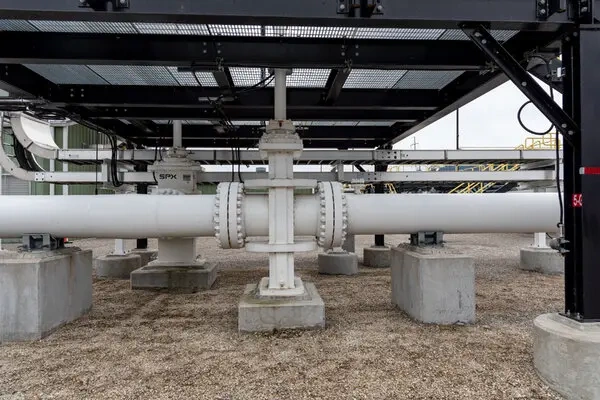
The United States Supreme Court is currently reviewing a high-profile case concerning a pipeline in Michigan, a case that has garnered national attention not simply because of legal technicalities, but because it sits at the intersection of Native rights, environmental protection, and the fossil fuel industry. While the matter may appear, at first glance, to be a routine question of federal versus state jurisdiction, its implications stretch far beyond procedural questions, potentially shaping the future of energy infrastructure and Indigenous sovereignty in America.
This article explores the background of the case, the legal and environmental stakes, the voices of Native communities, and the broader significance for the fossil fuel sector and U.S. energy policy.
The Case: Federal or State Jurisdiction?
At its core, the Michigan pipeline case is framed as a question of legal authority: whether certain aspects of the pipeline’s operation fall under federal jurisdiction or if the state of Michigan has the right to regulate it independently. The pipeline, which runs through ecologically sensitive areas and lands near Native reservations, has been operational for decades but has faced mounting scrutiny over environmental impacts and tribal consent.
Proponents of state authority argue that Michigan has the right to impose environmental and safety regulations to protect its citizens and natural resources. Federal advocates counter that interstate pipelines fall under federal oversight to ensure uniform standards and energy security.
Yet, this technical legal debate masks deeper issues: Native sovereignty, historical land rights, and the ongoing tension between fossil fuel expansion and environmental preservation.
Native Rights at the Center
Indigenous communities in Michigan, particularly the Sault Tribe of Chippewa Indians and other Great Lakes tribes, have long opposed the pipeline. For these communities, the issue is not simply legal jurisdiction; it is about the protection of ancestral lands, water resources, and cultural heritage.
Key Concerns:
- Tribal Sovereignty: Many tribes argue that pipelines crossing their territories require consent under treaties and federal law.
- Environmental Justice: Pipelines pose risks of leaks or spills, threatening water supplies critical to tribal communities.
- Cultural Preservation: Sacred sites and historical lands may be affected by pipeline maintenance and expansion.
For Native communities, this case represents a continuation of long-standing struggles for recognition, rights, and self-determination, making the Supreme Court’s decision consequential far beyond legal precedent.
Fossil Fuels and Energy Infrastructure
The Michigan pipeline is part of a broader network that delivers crude oil and refined fuels across multiple states. Fossil fuel companies have invested heavily in maintaining and expanding this infrastructure.
Industry Perspective:
- Energy Security: Companies argue that consistent pipeline operations ensure reliable energy supply.
- Economic Considerations: Pipelines support jobs, state revenues, and local economies.
- Legal Precedent: A ruling favoring state control could prompt challenges across the country, affecting existing and future pipelines.
However, opponents stress that fossil fuel projects come at a cost: environmental degradation, climate change, and threats to Indigenous rights. As the Supreme Court deliberates, the energy industry watches closely, knowing that the ruling could reshape regulatory authority nationwide.
Environmental Implications
Environmental advocacy groups have emphasized that pipelines carry significant risks. In Michigan, the Great Lakes region is especially vulnerable:
- Water Contamination: Even small spills can disrupt ecosystems and harm human health.
- Wildlife Threats: Pipeline routes often intersect sensitive habitats.
- Climate Considerations: Continuing to invest in fossil fuel infrastructure contradicts broader goals for reducing greenhouse gas emissions.
By framing the case solely as a legal jurisdiction issue, critics argue that the Supreme Court risks overlooking these critical environmental stakes.
Historical Context: Native Rights and Pipelines
This case is not an isolated incident; it follows decades of conflict between Indigenous communities and energy projects. Past examples illustrate the high stakes:
- Dakota Access Pipeline: Protests at Standing Rock highlighted risks to water sources and treaty rights.
- Keystone XL Pipeline: Delays and legal battles underscored environmental and Indigenous concerns.
- Line 5 in Michigan: The subject of the current case has been contested for decades, with repeated legal challenges and public campaigns.
These precedents demonstrate that pipeline disputes often transcend technical legalities, becoming flashpoints for debates about sovereignty, environmental justice, and corporate responsibility.
Supreme Court Considerations
When the Supreme Court examines the Michigan pipeline case, several factors are likely to shape their deliberations:
- Treaty Obligations – Does federal law uphold tribal treaties guaranteeing control over certain lands and resources?
- State vs. Federal Authority – How much regulatory power should a state have over interstate pipelines?
- Precedent for Future Cases – The decision could influence how courts handle pipeline disputes nationwide.
- Environmental Impact – Courts increasingly face pressure to weigh ecological consequences alongside traditional legal principles.
While some may see the case as technical, its ramifications are broad, potentially affecting policy, industry, and Indigenous communities for years to come.
Public Opinion and Advocacy
The case has garnered attention not only from legal experts but also from activists, environmentalists, and ordinary citizens. Social media campaigns, petitions, and public demonstrations highlight the intersection of public sentiment with legal strategy.
- Native advocacy groups urge recognition of tribal consent and the protection of cultural heritage.
- Environmental NGOs emphasize the urgent need to transition away from fossil fuels.
- Industry stakeholders call for clarity and regulatory consistency to maintain energy infrastructure.
This convergence of voices demonstrates that the case is as much a social and political issue as it is a legal one.
Implications for U.S. Energy Policy
The Supreme Court’s decision could influence national energy policy:
- State Authority: A ruling in favor of Michigan could embolden other states to impose stricter environmental or safety standards on pipelines.
- Federal Oversight: A federal win could reinforce nationwide uniformity in energy regulation.
- Climate Policy: The case may indirectly affect investments in renewable energy if fossil fuel projects face more legal obstacles.
Policymakers, industry leaders, and environmental advocates alike are monitoring the case for cues about the future balance between economic growth, energy security, and environmental stewardship.
Broader Lessons
The Michigan pipeline case illustrates several broader lessons:
- Legal Technicalities Can Mask Bigger Issues – Jurisdictional debates often hide fundamental questions about human rights and environmental protection.
- Indigenous Rights Are Central – Respecting tribal sovereignty is not just ethical but legally mandated.
- Energy Infrastructure Is a National Concern – Balancing economic and ecological priorities remains a delicate challenge.
- Supreme Court Decisions Have Wide Impact – Outcomes set precedents that affect other states, industries, and communities.
The stakes go far beyond Michigan, touching on the future of U.S. energy, Indigenous rights, and environmental sustainability.
What to Watch For
Observers should watch several key aspects as the Supreme Court deliberates:
- Interpretation of Treaty Rights: How will justices balance tribal sovereignty with state and federal interests?
- Legal Reasoning: Will the ruling focus narrowly on jurisdiction, or consider broader policy implications?
- Potential Ripple Effects: The decision could influence pipeline projects, environmental regulations, and Indigenous rights nationwide.
Stakeholders across sectors are awaiting a ruling that could redefine how pipelines intersect with public policy and Native communities.
Conclusion
The Supreme Court’s Michigan pipeline case is far more than a legal technicality. It sits at the intersection of Native rights, environmental protection, and the future of fossil fuel infrastructure in the United States. While framed as a question of federal versus state jurisdiction, the broader stakes involve issues of sovereignty, ecological preservation, and national energy strategy.
As the court deliberates, the eyes of the nation are on Michigan, and the outcome will have reverberations far beyond the courtroom. Whether it affirms tribal sovereignty, strengthens state authority, or reinforces federal oversight, the decision will shape the future of pipeline regulation, energy policy, and Indigenous rights for years to come.
This case is a reminder that behind technical legal disputes lie profound societal questions—about justice, sustainability, and the balance of power between communities, states, and corporations.


Leave a Reply